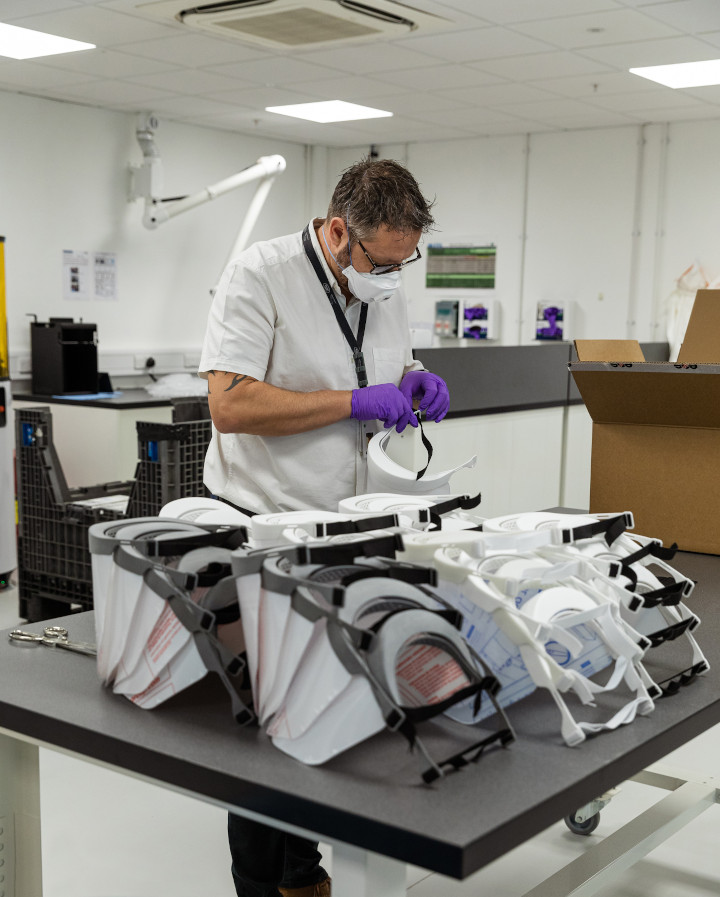
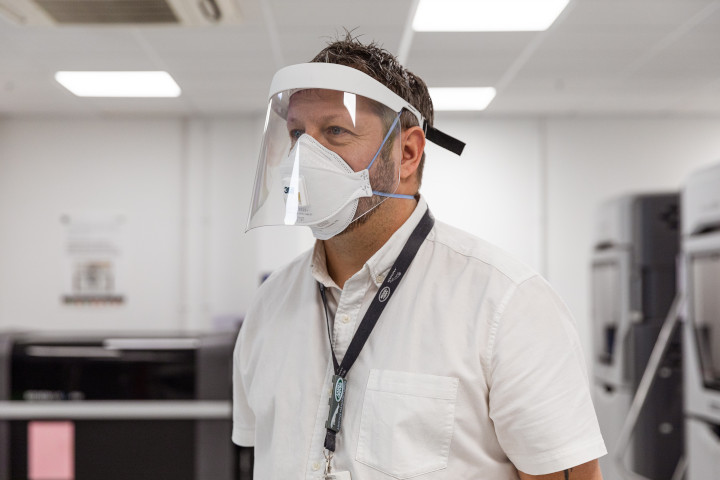
Volkswagen and Lamborghini recently revealed that they have begun the production of personal protective equipment (PPE) for healthcare workers in the fight against the COVID-19 pandemic. Now, Jaguar Land Rover (JLR) is joining the fray, as it also announces it will start 3D-printing face shields in its facility in Gaydon.
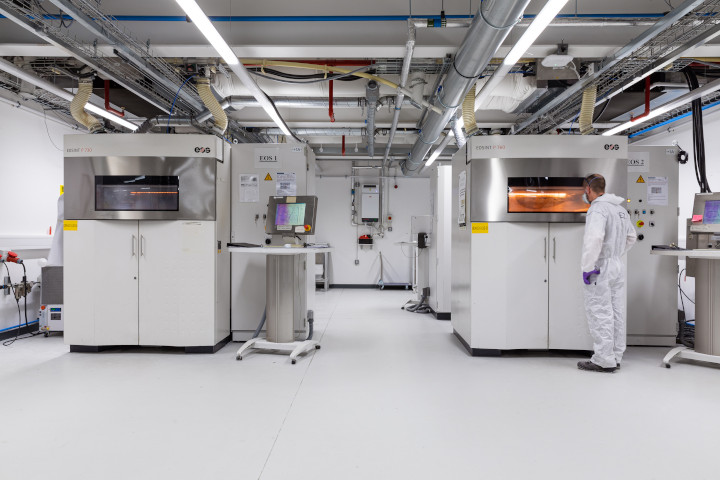
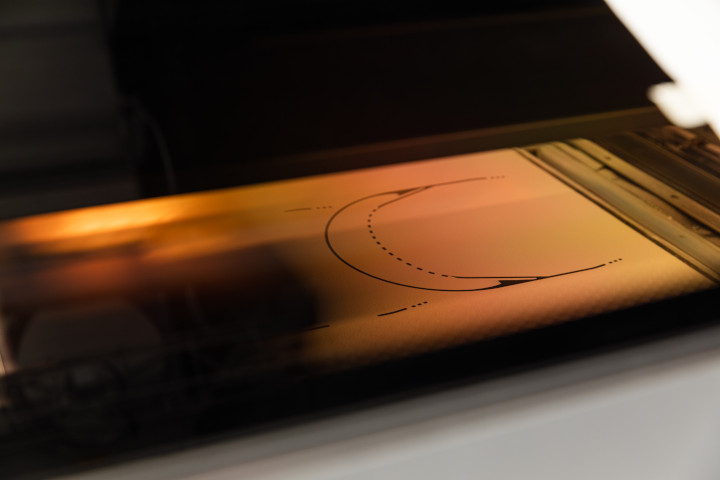
These face shields will be built at JLR’s rapid prototype 3D-printing facility, one of the most advanced in Europe. The company will produce 1,300 face shields a week, which will help address the shortage of PPE for the staff of the National Health Service (NHS).
“It’s been a real team effort, we’ve trialed different materials and improved the design over several iterations in consultation with real doctors and nurses on the frontline—this has allowed us to create something unique and truly fit-for-purpose,” said JLR additive manufacturing and prototype design manager Ben Wilson. “While this is a small effort, it is vital we help as many people as we can by utilizing our resources. Collaborative teams working at Jaguar Land Rover, along with the wider computer-aided design and 3D printing community will continue to do what we can to help healthcare workers.”
JLR aims to eventually produce 5,000 shields weekly to distribute to all NHS trusts across England. The carmaker is working with other companies such as Pro2Pro in Telford and is also in talks with its suppliers and partners to mass-produce the equipment.
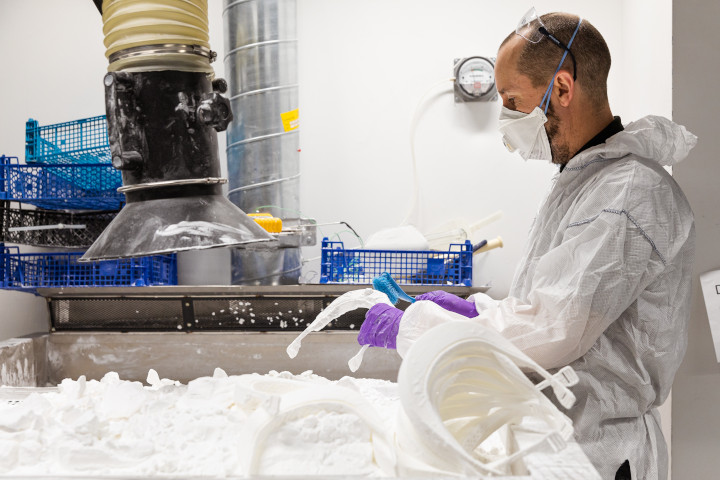
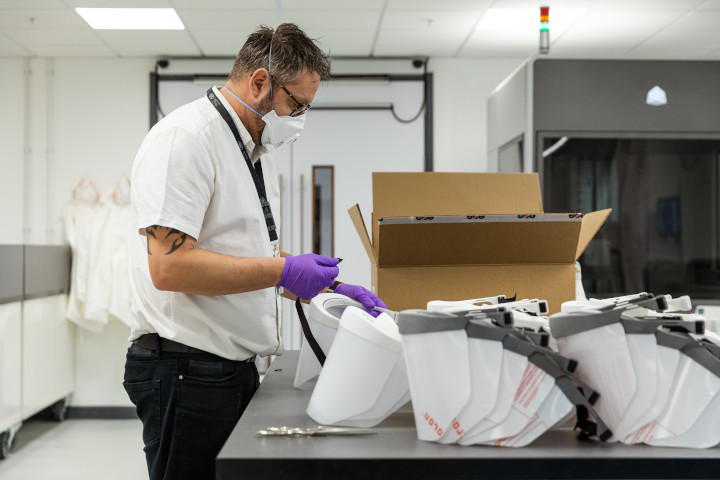
These face shields are built using chemically resistant polycarbonate. JLR has ensured that the shields are comfortable to wear and reusable. The shields can easily be dismantled for cleaning and reuse.
“The health and safety of our employees, customers, and their families remain our priority. It’s important we all utilize our skills, expertise, and facilities to help protect NHS staff on the frontline during our country’s greatest crisis in a generation. We can all play a part in helping those who need it most,” said JLR chief medical officer Dr. Steve Iley.
If you want to read more on other carmakers’ efforts, as well as our other stories on the ongoing COVID-19 crisis, click here.
That said, we can still get our dose of motor-show goodness because Volkswagen is giving a digital tour of its booth at the Geneva International Motor Show. Yes, the booth we didn’t get to see because the said show was...well, canceled.
You can choose to walk around the VW booth’s nine different sections, or you can click on the play button to let the tour move on its own. It’s a pretty immersive experience, especially with the loud, booming house music playing. It’s as if you’re actually walking around the show floor.
VW’s display features its ID. lineup, including the ID.3, the ID.Space Vizzion, and the e-up!. Moving onto the highlight of the exhibition, you’ll see the all-new Mk8 Golf in all its glory. Front and center is the Golf GTI, of course, and you can even change up its colors in case you prefer your hot hatch with a different finish.
Walk around further and you’ll see some familiar nameplates like the Polo, Passat, Touareg, and Tiguan. Of course, there is also a wide selection of vehicles that aren’t available in our local market like the T-Roc, the Multivan, the all-new Caddy, the Sharan, and the Touran.
Other sections of the booth also offer more interactions. In one section, you can dress up the Golf GTI, Touareg R, and T-Roc R to your liking—the display lets you choose among a few wheel and color options.
So, are you missing the excitement and thrill of walking around a motor show? If you share our sentiments, then we suggest you head on over and take a quick tour yourself. It’ll be a nice way to chill and pass the time.
The government’s COVID-19 Inter-Agency Task Force (I-ATF) has announced that the Luzon-wide enhanced community quarantine period will be extended until 11:59pm, April 30, 2020. This means the public transportation ban will continue, as will the suspension of non-essential businesses and services, strict enforcement of social-distancing guidelines, and numerous checkpoints scattered all throughout Metro Manila.
“Yungenhanced community quarantine is up to April 30, 11:59pm.Ito po ang rekomendasyon ngI-ATF kaypangulongDuterte,na tinaggap ni pangulongDuterte at inannounce po kagabi,” cabinet secretart Karlo Nograles said during an I-ATF briefing held this morning.
“Pagkatapos ng kanyangannouncementay vinerfiy po namin ulit at ang sagot po ay angenhanced community quarantine is hereby extended until 11:59pm of April 30,” Nograles added.
The announcement comes following President Rodrigo Duterte’s assertion that the government was “inclined” to extend the measure.
“We have discussed it actually, even before this,” Duterte said towards the end of his address to the nation last night. “We are inclined to extend the lockdown up to April 30. Tignan natin after that. In the meantime, double-time kami.”
Prior to this news, the enhanced quarantine period was scheduled to end on April 14, 2020. The 15-day extension will bring the total duration of the measure up to 46 days.
Worldwide, there have been more than 1.34 million logged cases of COVID-19 and over 74,000 deaths resulting from the virus have been recorded, with the US (368,079 cases), Italy (132,547 cases), and Spain (136,675 cases) among the nations hardest-hit by the pandemic. There are currently 3,660 recorded cases and 163 recorded deaths in the Philippines.
What do you think about this recent development? Let us know in the comments.
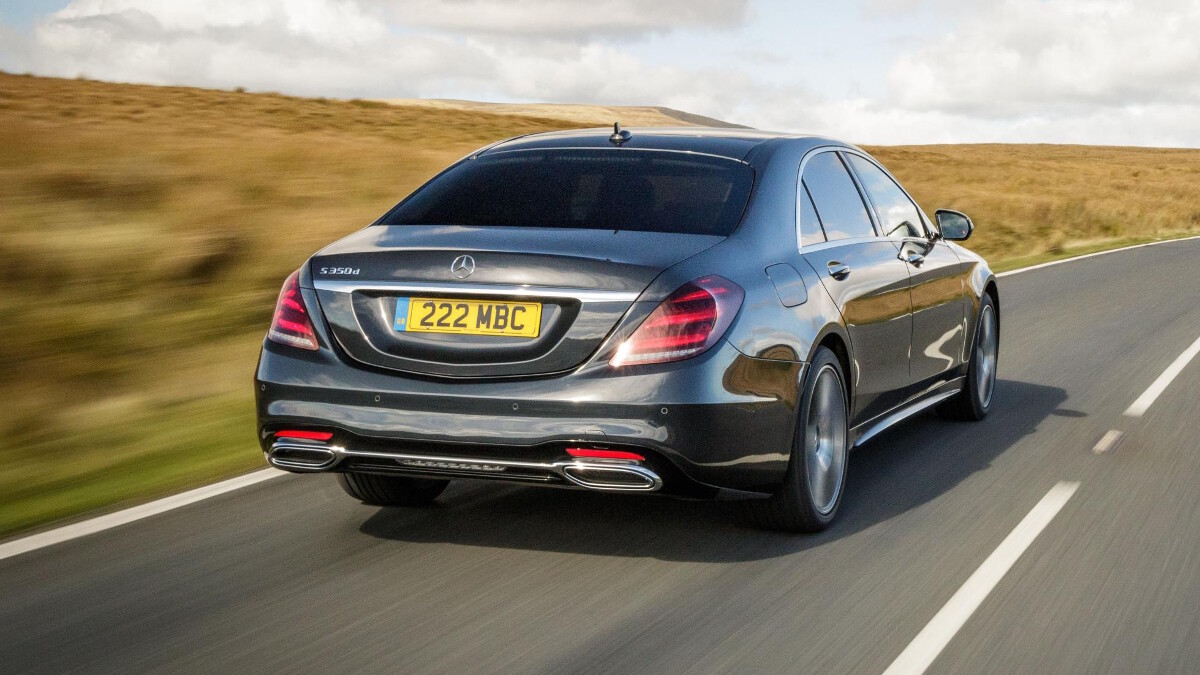
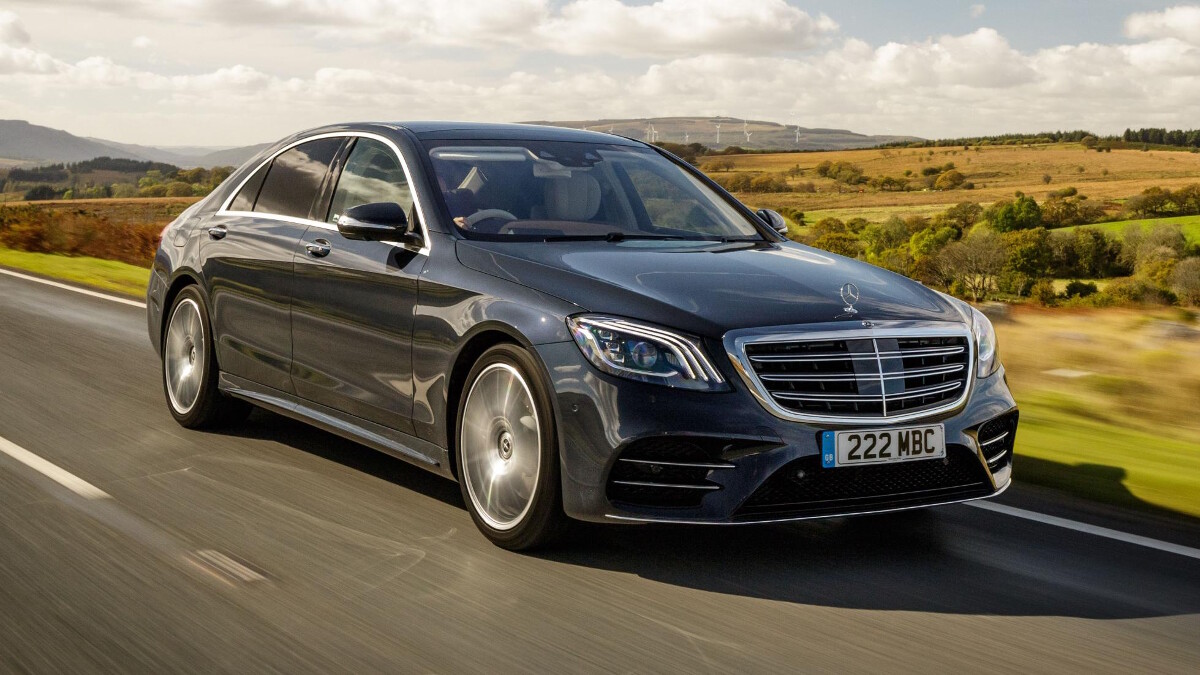
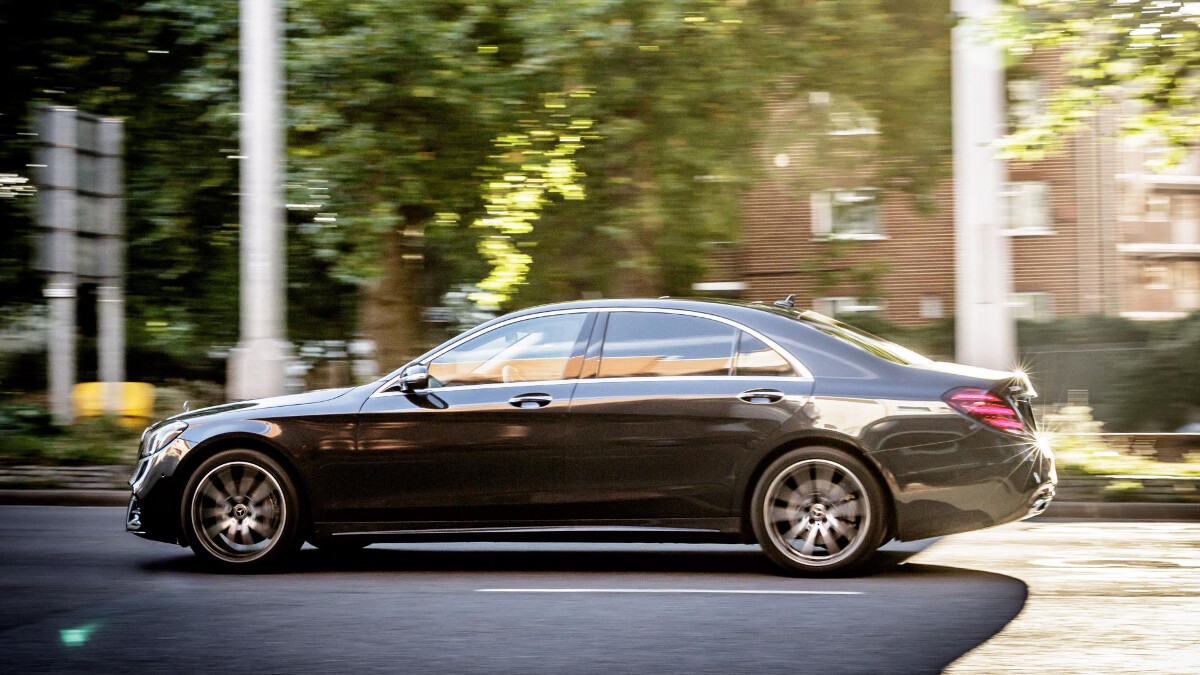
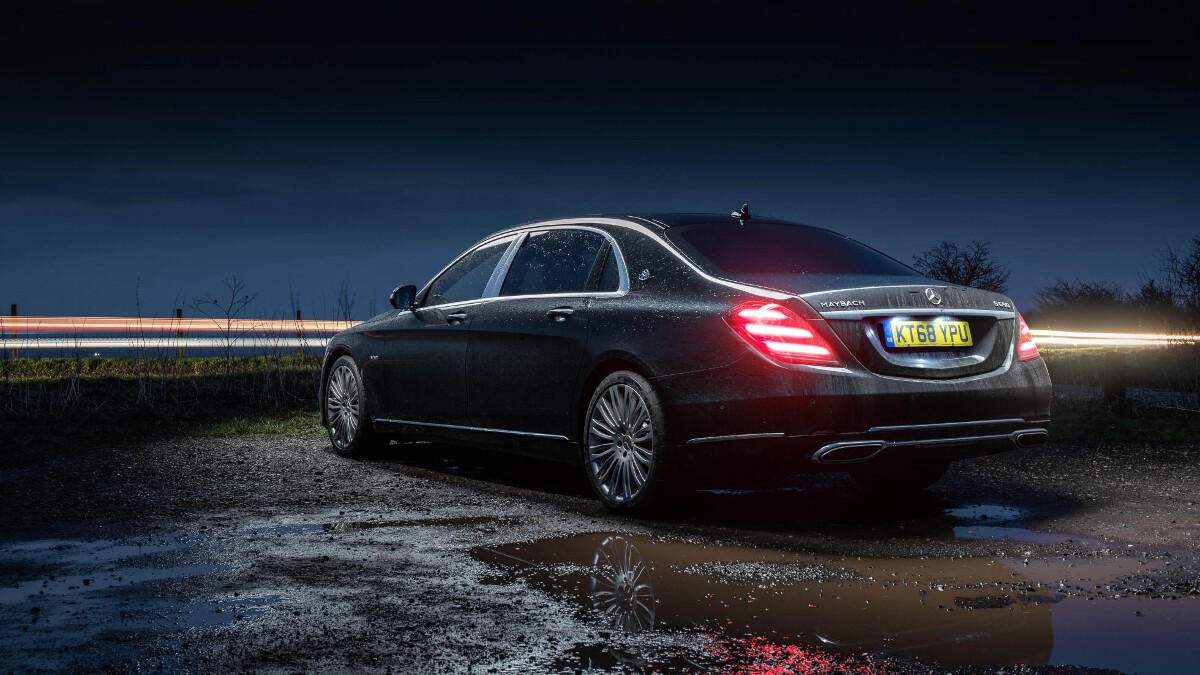
The Mercedes-Benz S-Class is, without a doubt, the benchmark big luxury sedan, the one Audi, BMW, Lexus, Cadillac, and even Jaguar and Maserati must define themselves by and be measured against. This car defines the sector and is the one all others must topple. The latest A8 and 7-Series are both much newer than the S-Class and thus have some exceptionally clever tech on-board, but while both are excellent cars in their own right, neither is quite as special as the big Merc.
A facelift in 2017—this generation’s last before it’s replaced by an entirely new S-Class—gave many new things. Chief among them new engines, Merc’s latest-generation in-line six-cylinder diesels and gasolines, plus a plug-in hybrid and the S63 AMG’s V8 bi-turbo gasoline. The rare-groove S65 is no more, but you can still get a V12-engined S-Class in the form of the super-luxe, super-rare, and super-expensive Mercedes-Maybach S650.
This update also gave the S-Class an array of semi-autonomous driving technology like Active Speed Limit Assist, Active Lane Change Assist, and Remote Parking Assist, most of which debuted in the E-Class. But to make sure the S-Class kept its crown as the techiest Merc, it got a few of its own, too. The main one is a kind of active cruise control that, as well as sensing and maintaining gaps to other cars, knows to slow you for roundabouts, corners, and tolls using GPS. Of course, that particular system has been rolled out to other Mercs now, but it’s reasonable to expect much cleverness from the new S-Class, which could be revealed as soon as this year.
Because this particular era of S-Class is so near the end of its life, Mercedes has massively cut back on the number of trim levels and equipment combinations if offers. Now, there’s just one trim for the non-AMGs—‘Grand Edition’—and only the cheapest S350d is available with the short-wheelbase.
On the road
Happily, that clever adaptive cruise control we mentioned earlier does work. Well, to a degree: The thing to bear in mind is that the system isn’t watching for other cars that might be on the roundabout you’re approaching. It will slow you down to a speed where you could take the roundabout, assuming it’s not following anything that might dictate its speed and if there are no cars to give way to. But if there are, you have to bring things to a stop yourself.
It all worked pretty well when an engineer demoed the system on country roads around one of Merc’s places in Stuttgart, but when we tried it for ourselves, it wasn’t quite as effective. It’s a bit ‘last of the late brakers,’ which isn’t what you want in a luxury limo. Chauffeurs are trained to look as far ahead as they humanly can, anticipating upcoming junctions and the behavior of other motorists, because that’s how to drive smoothly.
Nevertheless, on highways, it’s great. It maintains a gap to the car ahead—which varies by speed and setting, all the way down to a stop—and keeps the car in its lane. It’ll also adjust the speed you’ve set to whatever the speed limit is, because it recognizes road signs. Remember, it’s long-journey driver support, not autonomous self-driving.
It goes without saying the S-Class is not an especially engaging drive when you take full control yourself. It’s all about astounding quietness and ride suppleness, and it delivers both of those in spades. Adaptive dampers tauten the suspension where needed, but the steering has no feel—its hallmark is immense directional stability at high speeds, and thoughtful control weights that allow it to be driven exceptionally smoothly with minimal effort. There are few cars more suited to cross-continental drives or long highway trips than the S.
The diesel is a great engine, and is perfectly capable of getting along smartly. It’s our choice, but our inner hooligan will always prefer the S63 with its 4.0-liter V8—an engine that feels at home in the big S as it does in any other AMG.
Of course, the Maybach’s V12 is lovely, too. A quarter-throttle is all you’ll ever need, even for joining highways or emerging from busy junctions, thanks to 999Nm of torque and 621hp giving 0-100kph in 4.7sec. It’s so quiet that most of the time, it may as well be electric—indeed, it’s only when you really bury the throttle that you actually remember there are 12 cylinders hidden under that expansive hood, complete with three-pointed star reticle.
On the inside
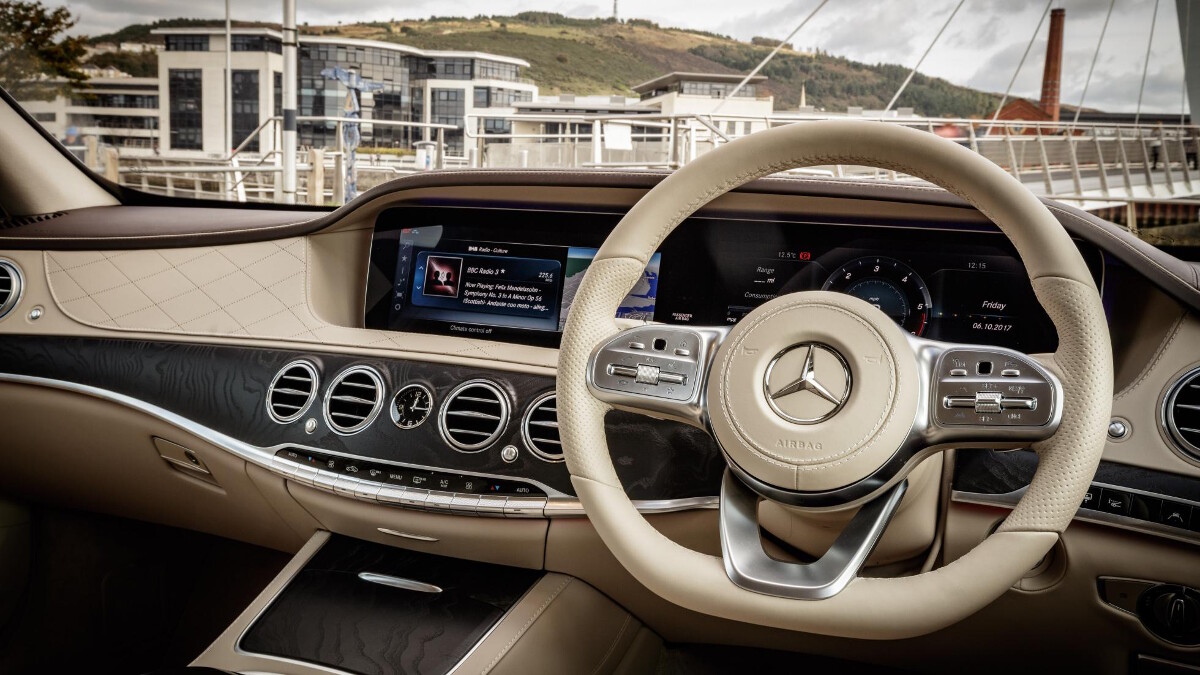
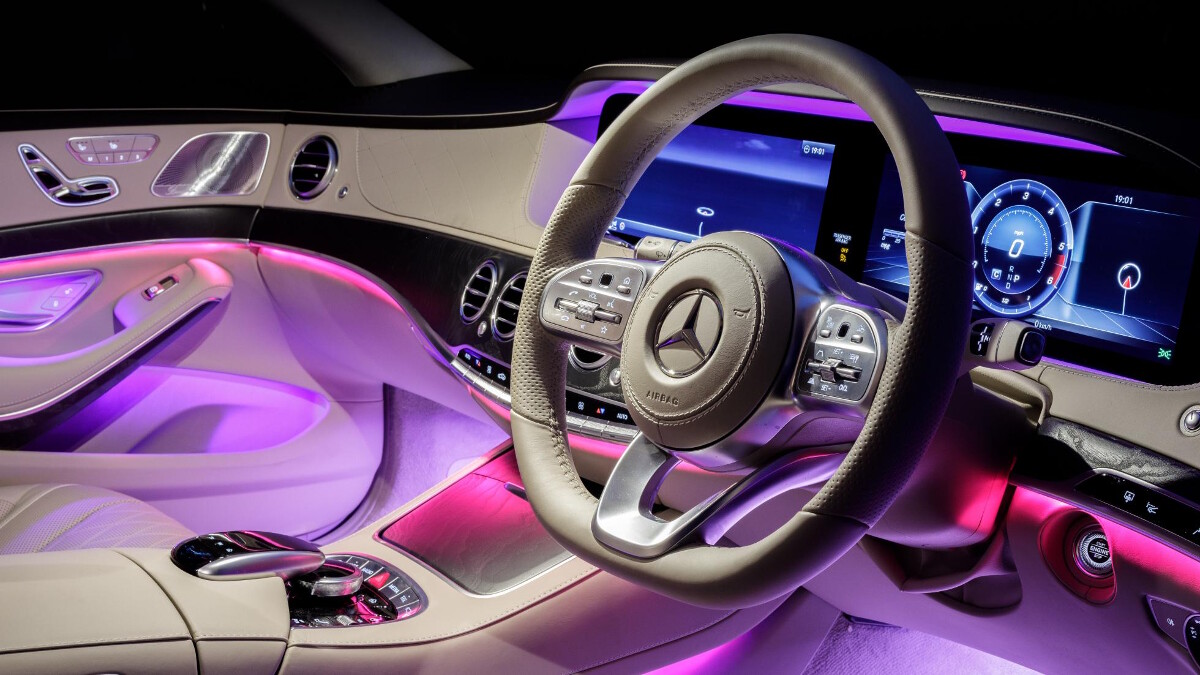
The dashboard’s two huge instrument and display screens are all clarity and logic. They’ve been updated and now more closely resemble what you get in the E-Class, which is fine by us. That said, it feels like the S lacks processing power compared to the A8 or the 7-Series—its infotainment system is slower to respond to commands.
However, at least Mercedes is one of the few manufacturers that hasn’t gone crazy for touchscreens (yet), and fast as the A8’s twin-screen setup is, it’s still not as intuitive as having a dedicated physical control.
Said screens are set in beautifully worked leather, wood, and metal, and most ergonomics are just-so. Those familiar with the pre-facelift S-Class will notice the new steering wheel, with its touchpads and cruise control buttons (no more little stalk behind the wheel—a Merc fave). It’s a bit button-heavy, but you get used to it.
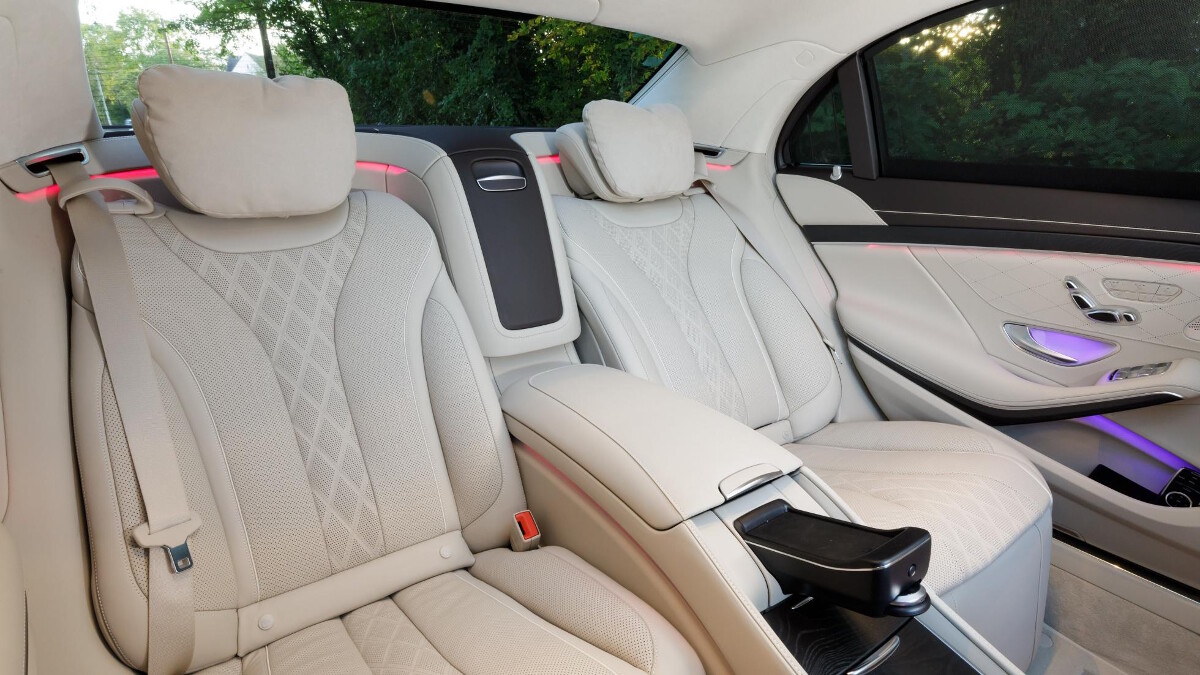
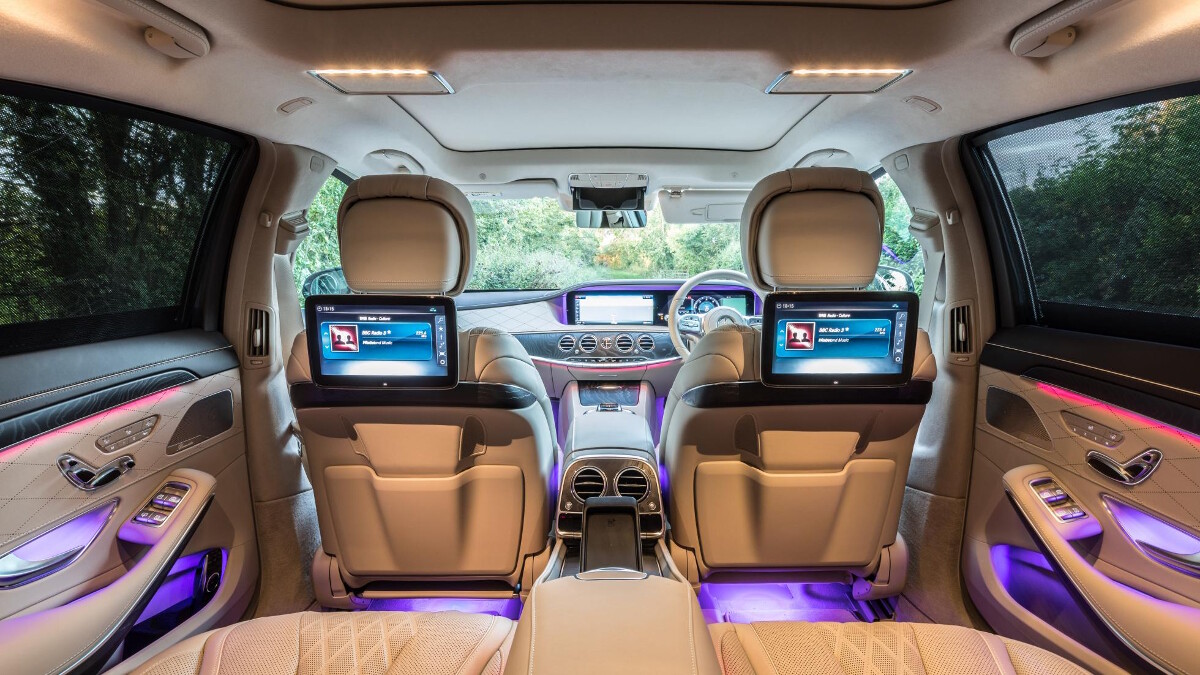
Also new for the facelift was something called ENERGIZING Comfort Control (yes, all caps—live with it). It links climate control, seats, lighting, and multimedia, enabling “a specific wellness setup tailored to the mood and need of the customer.” Bit of a gimmick? Perhaps, but in all, we can’t think of a comfier interior, front or rear. At least for less than £200,000 (around P12.5 million)
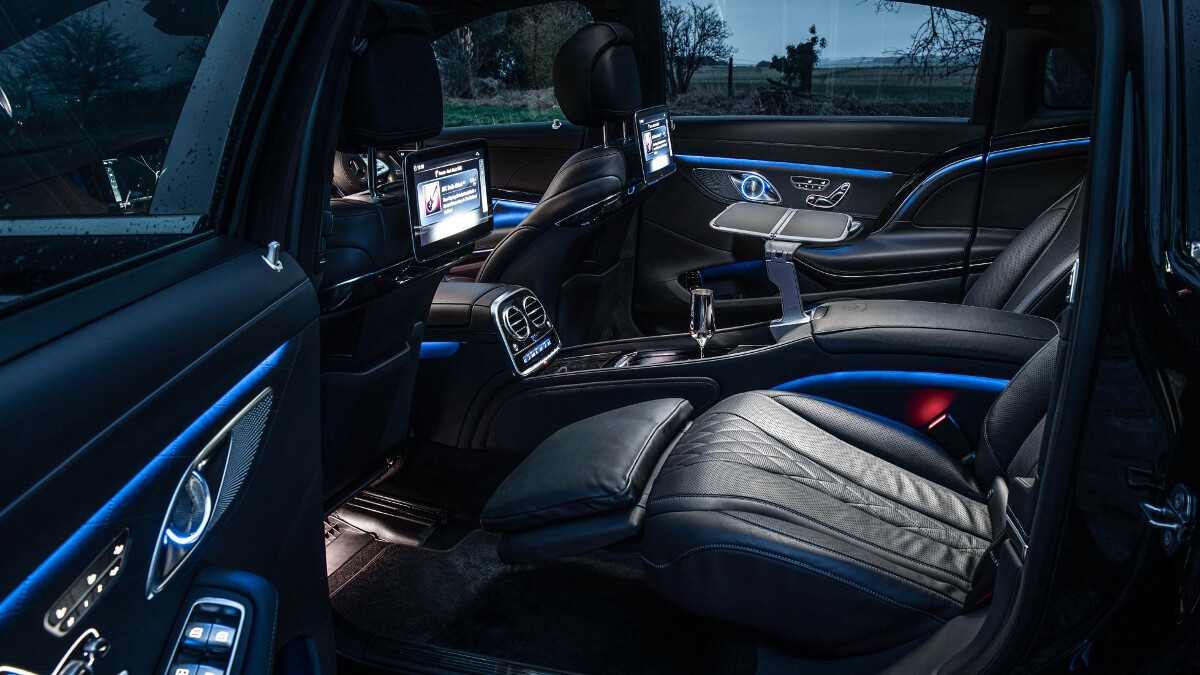
The long-wheelbase versions, pretty much the only versions you can get now, can be spec’d with rear seats that massage, heat, vent, and recline halfway to horizontal, with aircraft-like leg rests. Rear entertainment is fine, though not as impressive as the A8’s, and legroom is just vast.
The Maybach is more and better, of course, but not all that different from a long-wheelbase S-Class. The dashboard architecture is the same, and though material quality is broadly excellent, you can only mask so much with quilted leather, Mercedes. Much of the switchgear feels exactly like it does in a £80,000 (P5 million) S350d. For an extra £100,000 (P6.24 million), we were hoping for more. Oh, and if you get the fridge (part of the ‘First Class Cabin’ package), it inelegantly eats into your trunk space to the tune of 40 liters.
Final thoughts
Historically the defining big, German car. And so it remains. The last (admittedly minor) facelift added tech, style, and comfort to the S-Class—none of which it was lacking beforehand. Rivals’ cars are good, especially the Audi A8, but the Mercedes is more relaxing, more of the time. Somehow less businesslike and more opulent, and all the better for it. A Top Gear fave.
We can’t wait to see what the next one’s like.
NOTE: This article first appeared onTopGear.com. Minor edits have been made.
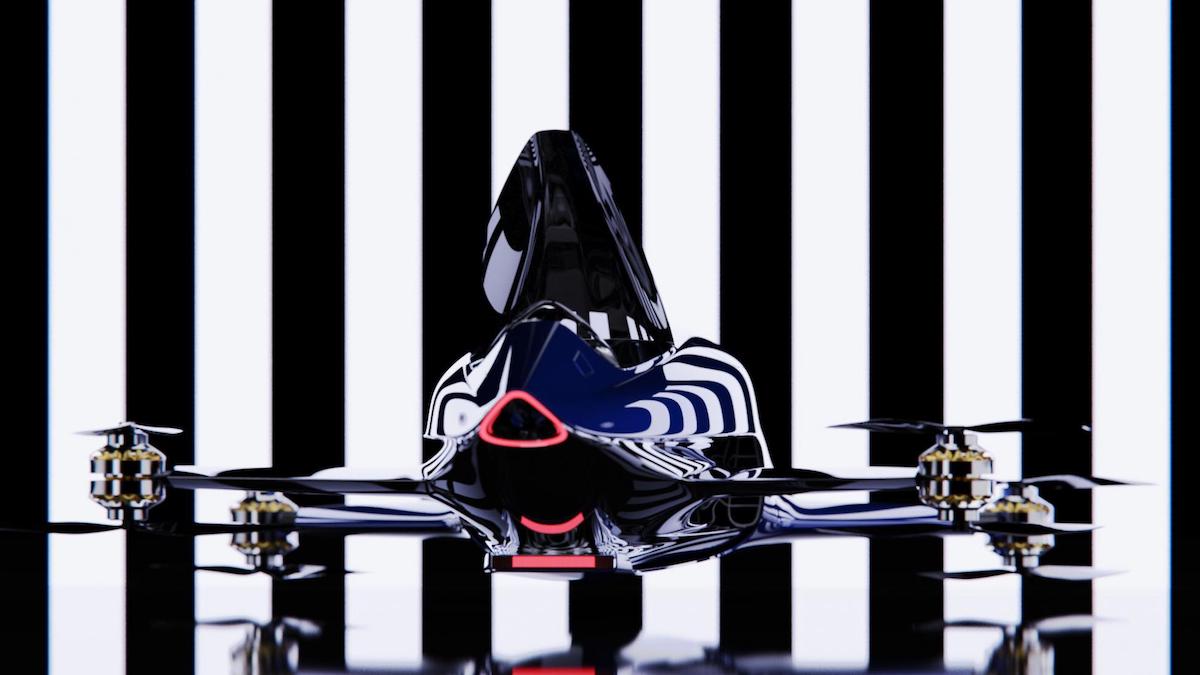
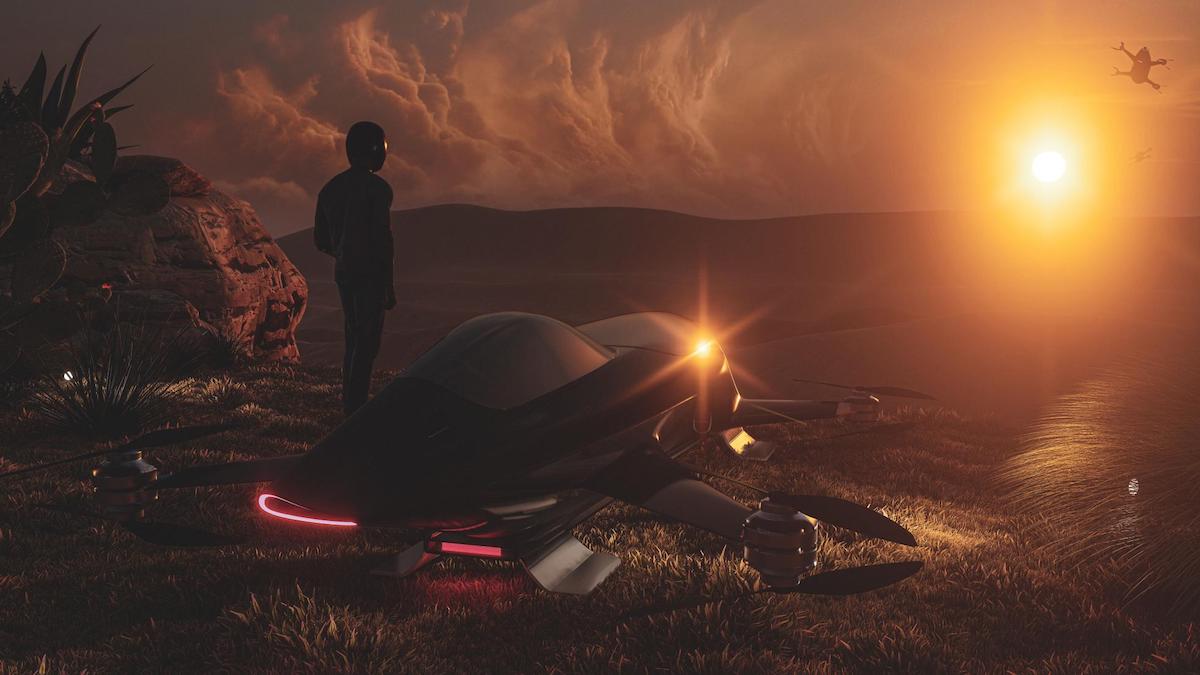
If we had tails, they’d be wagging. A company called Alauda has announced it is one step closer to developing a revolutionary new motorsport series that is taking up far too much of our current thought process than necessary.
Electric. Flying. Car. Racing.
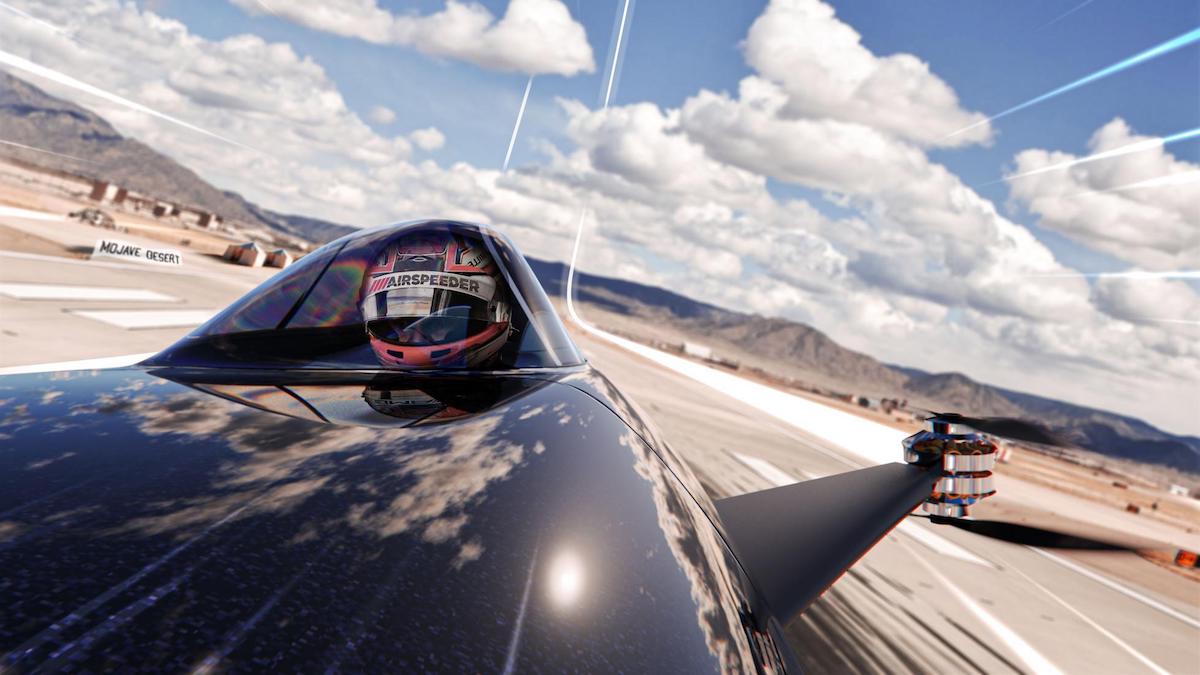
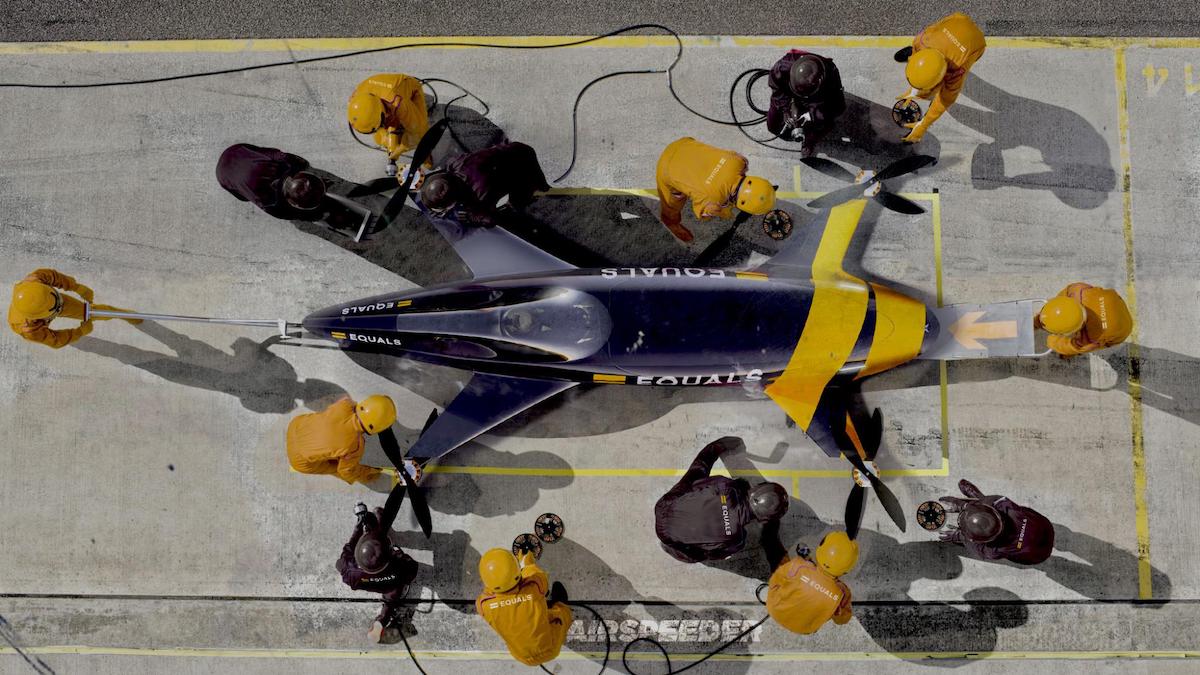
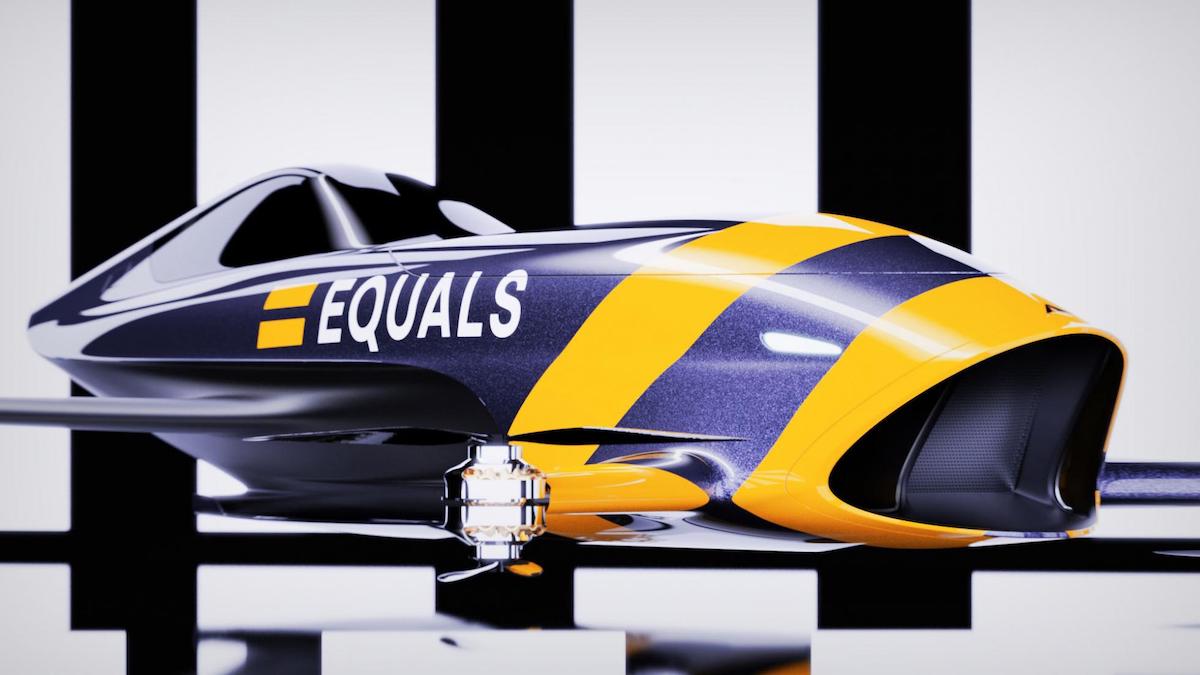
That’s right. Electric cars. Up in the air. Racing. The series is called Airspeeder—first revealed last summer—and Alauda has secured a ‘seed investment round,’ which sounds... important? Yes. Important. Very.
The series itself sounds excellent, too. It’ll fuse the worlds of science fiction and gaming, we’re assured—the latter via augmented-reality cockpit tech—and we’re also told that “elite pilots will use the sky as their playground in intense head-to-head competition,” with multiple teams and manufacturers competing.
Said teams will include “established names,” and the Speeders themselves will be powered by cutting edge EV tech drawing on partnerships within the “elite motorsport world.” The MK2 electric flying copters were trialed throughout 2019, and as of now, final manned tests of the Speeders are ready. To give you an idea of size, the last time we heard about the series, each vertical take-off and landing (VTOL) speeder measured four meters long, 3.4 meters wide, and just under one meter tall.
Alauda reckons on speeds of up to 200kph, and each Speeder will feature LiDAR and ‘Machine Vision’ tech. The final tests themselves will be conducted in South Australia—Alauda’s base—as soon as restrictions related to coronavirus have lifted. Further actual head-to-head races are planned at the end of this year.
“Looking back to the development of both the car and airplane over a century ago, it was sporting competition that drove progress,” explains Airspeeder boss Matt Pearson. “The F1 racers of the early 20th century possessed a pioneering spirit we are harnessing today to rapidly accelerate progress.”
Literally. Can’t. Wait. [wags]
NOTE: This article first appeared onTopGear.com. Minor edits have been made.
We’re right at the start of Holy Week, which means there are non-working holidays coming up. Normally, at this point in the year, some of you might already have a road trip or two lined up. But things are different now as the COVID-19 crisis has forced us to put all our summer outings on hold.
That said, while the upcoming ‘long weekend’ won’t really make much of a difference for us who have been cooped up in our homes for the past month, we still need to keep track of the week. Why? Well, to plan ahead for our grocery runs, of course.
To help you guys with this, we’ve put together the latest announcements from the major supermarkets in the country. You can check out the list of stores and their corresponding schedules below.
1) Robinsons Supermarket
[facebook:https://ift.tt/2xOdf1x]
2) SM Markets
[facebook:https://ift.tt/39NP3t8]
3) Puregold
[facebook:https://ift.tt/2xVSdxG]
4) Shopwise
[facebook:https://ift.tt/2JKa2To]
5) The Metro Stores
[facebook:https://ift.tt/2UOMKSF]
6) S&R Membership Shopping
[facebook:https://ift.tt/2XdY2kM]
7) Rustan’s Supermarkets
[facebook:https://ift.tt/2xUTO6V]
These are the schedules as of this writing. If there are any additions to this list, we’ll add them as the week progresses. Take note and share the information with those who might need it as well. As for further updates, just watch this space.
The last few weeks must have been the longest time some of you have spent away from the wheel. There’s no traffic, no social gathering, no 2020 MIAS, even. And because of COVID-19, everyone has to find new and ingenious ways to stay in touch with family members and to coordinate with coworkers while working from home. With the current enforcement of community quarantine and social distancing, we wondered how car clubs and their members are fostering camaraderie during this time? Here are some of your answers.
1) Iyan Manzano: By wishing everyone to stay home and in good health. And for those who use their vehicles and skills to help and serve others be brought home safe and sound. #TheWigoClubPhilippines
Good job, Wigo Club Philippines!
2) Eric Lozada: Our kind and compassionate friends at Vios Club Philippines are braving the streets to help the LGUs disinfect areas within Naga City!
Dios mabalos, Vios Club Philippines.
3) Abul Fadhl: Sadly, we don’t talk about our trucks. We are so engrossed with our scooters that we keep sending each other’s pictures of our rides on Messenger.
While we are off the streets, we’re on our Facebook groups and Viber groups. #StayAtHome
Same as how companies have managed to shift to virtual workspaces, it looks like car clubs are also able to move their hangouts online, while others are taking it to the next level by helping out our frontliners and the community.
How about you guys? How are you bonding with the members of your car club during the community quarantine?
Yes, not being able to drive out as you please during the enhanced quarantine period is a hassle. But having to head out without a personal vehicle during this crisis is a much, much bigger concern—and it’s something many frontline healthcare workers have to deal with on the daily right now.
To help frontliners cope with the public transportation ban, the Department of Transportation (DOTr) and Department of Health (DOH) have partnered with Google to make the routes of their free frontliner transport services available for viewing on Google Maps.
All you need to do is launch the Google Maps app, enter your destination, tap ‘Directions,’ and select the public transit tab. The app will then proceed to show you its recommended DOTr hospital shuttle route complete with estimated travel time. Simple and convenient.
“Technology makes our lives easier. So, as we help provide our health workers with daily free rides, I am certain that partnering with digital technology will also make navigating routes the least of their worries,” DOTr head Arthur Tugade said in a statement. “We want to make things easier for them, given the enormous tasks that they perform every day.”
Google Philippines country director Bernadette Nacario shared the same sentiment: “Google Philippines strives to use our technology to provide help and support during this challenging time. We hope that by making the routes of the DOTr’s free rides accessible on Google Maps, we are helping provide ease and convenience to the daily transport of our frontliners.”
The Google Maps app is free and readily available for download on iOS and Android. As of yesterday, the DOTr says it has transported close to 60,000 healthcare workers via its free shuttle. If you’re currently availing of this service, we recommend to you have the app handy on your smartphone.
Subcompacts are the bread and butter of most car manufacturers in the local auto market. The segment’s city-friendly size and affordable price tags make it the perfect entry point into the world of car ownership, and consumers know it.
Last year, three new nameplates entered the Philippine market in hopes of grabbing a slice of that sweet, sweet subcompact pie: the Kia Soluto, Hyundai Reina, and MG 5. All three of these offerings have one thing in common, too—they’re all manufactured in China.
Thankfully, offerings made in the People’s Republic aren’t as despised as they used to be. Carmakers have put great effort into shedding that stigma, and buyers have taken notice.
All three cars feature modern-looking designs to go with their manageable dimensions, and while their interiors are composed mostly of hard-plastic material, none give the impression you’re sitting in anything in anything below the segment standard.
The Soluto and Reina share the same DNA, as well as the same 1.4-liter inline-four gasoline engine capable of 94hp and 132Nm of torque. The MG 5, meanwhile, packs a significantly more potent 1.5-liter gasoline mill with an output of 112hp and 150Nm of torque. The three sedans start at P665,000, P648,000, and P658,000, respectively.
To learn more about these three subcompact offerings, check out the short video clip above.
Once upon a time, the Philippines was one of the most popular spots for motorsports across Asia. Those decades were dubbed as the golden age of Philippine motorsports.
But we bet a lot of you didn’t know that. Good thing the documentary entitled Racing with Legends is on Facebook—it’s been there for a while already, actually—and you can watch it for free.
The documentary retells the roots of Philippine motorsports from over half a century ago—from the first recorded organized motorsport event at the Sta. Ana Hippodrome to the 1st Philippine Grand Prix in Cebu in 1969, and all the other races that followed. These paved the way for racing legends like Dodjie Laurel, Louie Camus, Mandy Eduque, Dante Silverio, and Pocholo Ramirez to establish themselves in the racing scene both locally and abroad.
If you want to check it out, just head over to the Racing with Legends (The Movie) Facebook page and you’ll find the hour-long documentary split into several parts. Here is a sneak peek.
We know we could use a history lesson ourselves, and now’s actually a good time since we’ve all got some free hours these days. So, would you care for a short trip down memory lane?
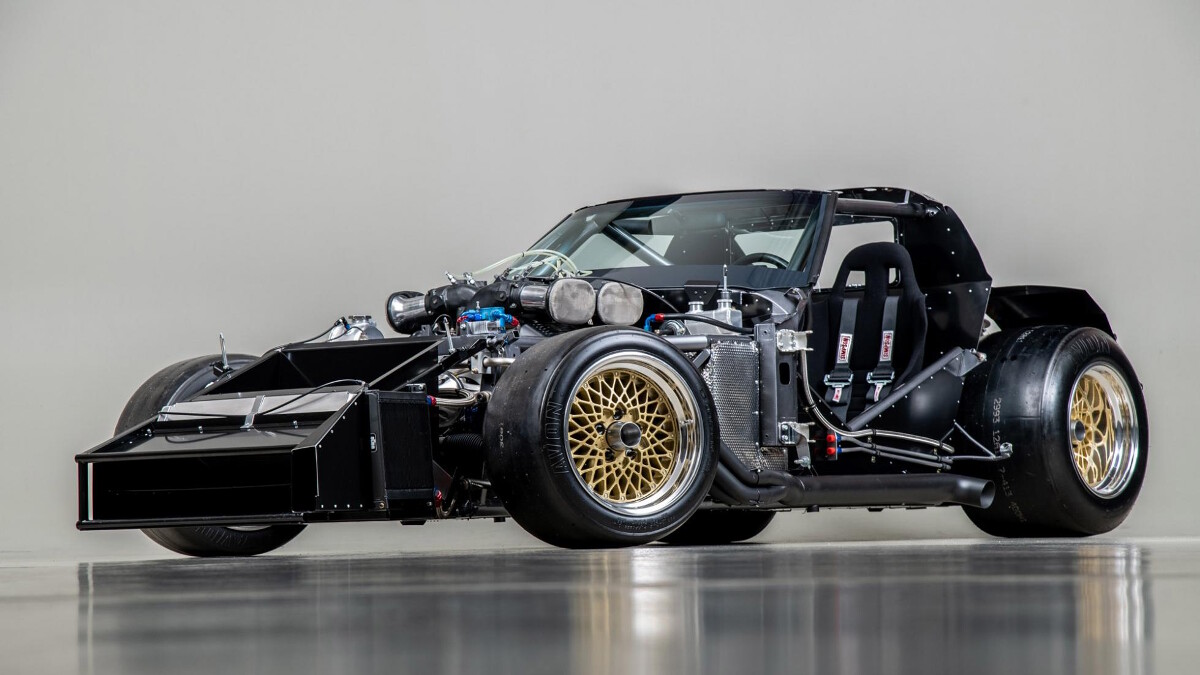
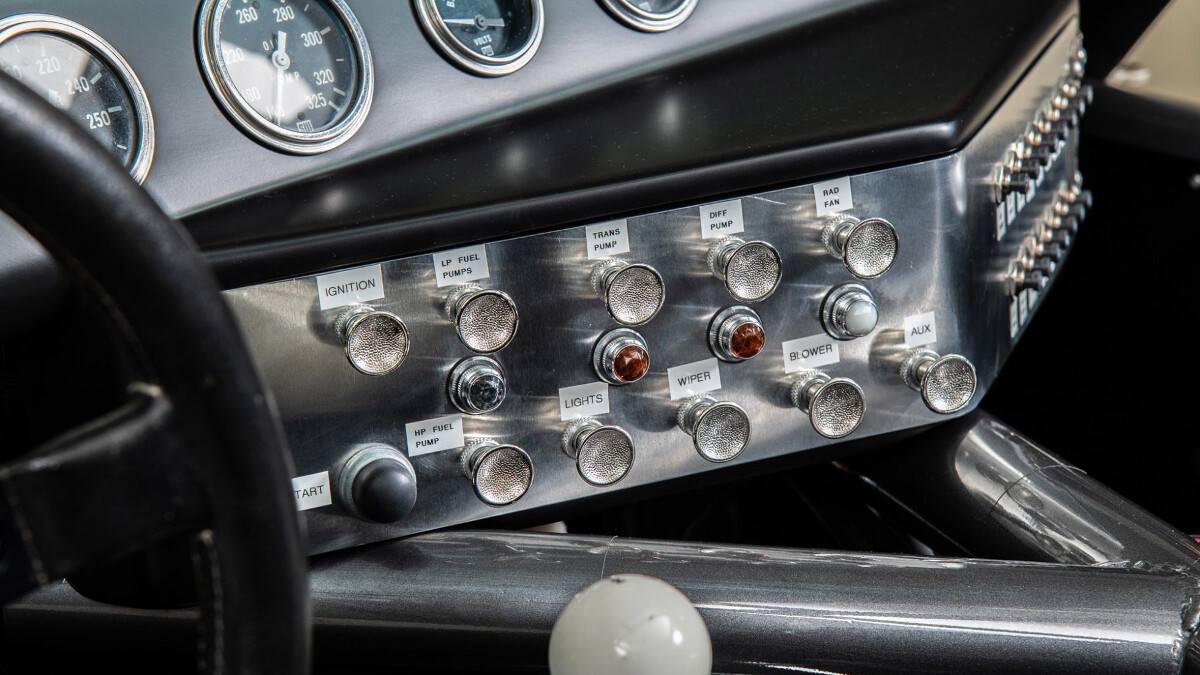
This is very special indeed. What you see above is one of the two ‘SuperVettes’ built by driver-turned-developer John Greenwood and designer Bob Riley for the IMSA GT Championship in the late ’70s. And it’s for sale.
Looks wild, right? Check out those photos and drink in the details. In 1976, the IMSA made a road-racing rule change that allowed cars with fully tubular frames to compete. Greenwood developed the SuperVette, with its bonkers fiberglass body panels bearing only a slight resemblance to the road-going C3 Corvette, and a big block V8 pushing out way over 700hp.
Chassis number one would first compete in the 1977 season—incidentally the same year that Porsche started selling the 935 to customer teams. What a time to be alive.
This car here is chassis number two—the second and final example—which was bought and campaigned in the 1978 season by John Paul Sr. His team, JLP Racing, fitted an aluminum big-block V8 making over 750hp and apparently over 1,280Nm of torque. That was mated to a four-speed manual gearbox, and all the power was going through those massive rear wheels.
After two podiums and three top-five finishes against the might of the 935, Paul Sr. sold the car and it didn’t compete in another full season until 1982, after which it was retired for good.
It’s currently being sold by California-based dealer Canepa, who recently gave the car a full restoration and reverted it back to that stunning baby-blue livery. “The most powerful and brutal racing Corvette ever designed,” says the listing. We do not doubt that. We’d love to know how much this thing will sell for...
NOTE: This article first appeared onTopGear.com. Minor edits have been made.
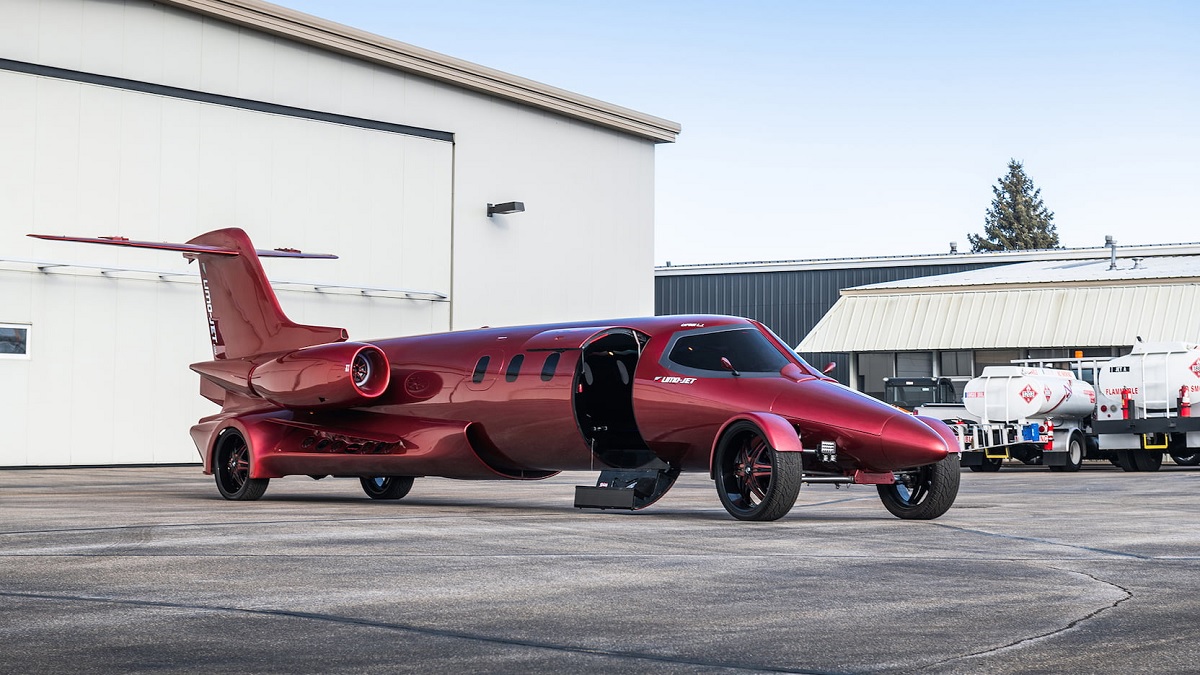
“Forget luxury cars, million-dollar SUVs, or fancy—albeit regular—limousines. If you really want to live the lifestyles of the rich and famous, you ought to do so riding around the Learmousine.
“It’s a surprisingly road-legal Learjet-turned-limo that spans 42 feet long and eight feet wide. It was designed by a certain Dan Harris from Oregon, and it’s said to have taken 40,000 man hours to build. The jet’s original fuselage was successfully built on a custom steel skeletal frame after two years of research and development. Both the electrical system and suspension setup were custom-built, too.
“It’s truly a one of a kind project, and its makers have already filed a patent for the design of the rear engine bay. Speaking of the engine bay, this part of the Learmousine houses an 8.1-literChevrolet Vortec V8 that pumps out 400 horses. That seems just about right for the machine’s size.”
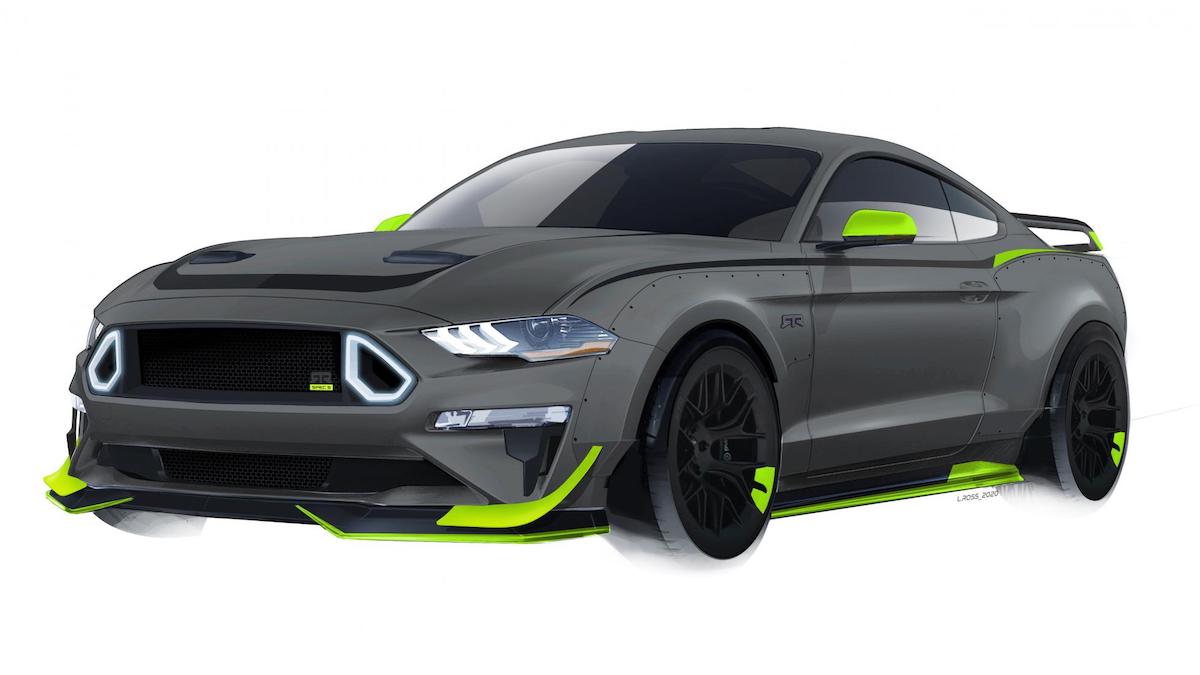
“Forget the pound-shop cards and delivered-to-your-door roses, US-based Ford tuner RTR knows how to do anniversary presents.
“The company—founded by pro drifter Vaughn Gittin Jr.—is currently celebrating 10 years since it entered into a close partnership with Ford that allowed RTR-tuned cars to be sold at official dealerships.
“And check out the present that 10 lucky folk will be able to buy as a result—the 10th Anniversary Mustang RTR Spec 5. Looks pretty mean, no? That widebody kit with riveted arches is based on Gittin’s drift car, and all 10 examples will come in gray with five choices of accent color.
“It’s not just the looks that’ll be worked over, of course. Spec 5 refers to the engine upgrade, which in this case is a Ford Performance supercharger that ups power to 750hp and torque to 1,078Nm. Good lord.”
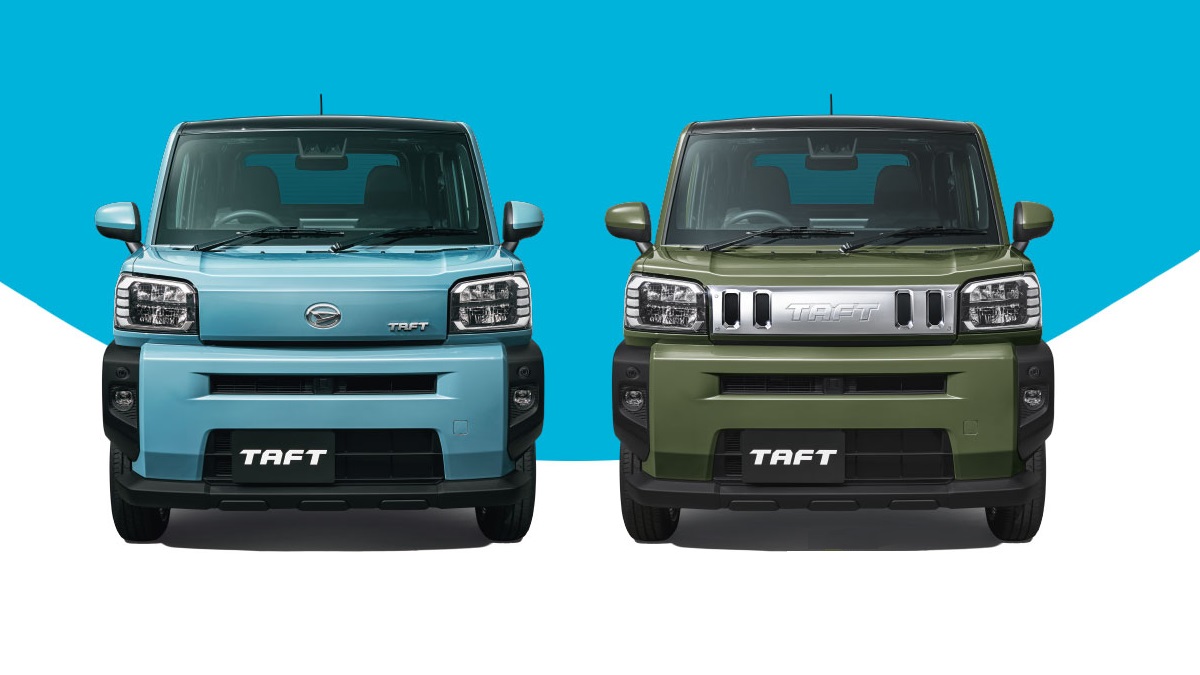
“This ‘Tough & Almighty Fun Tool’ is what its makers call the world’s first light crossover. That said, this thing still is a true kei car, standing 3,395mm long, 1,475mm wide, and 1,630mm tall, with a 660cc three-cylinder turbopetrol under its hood. This is mated to a CVT that sends power to the front wheels.
“Simply put, it’s a kei car that wants to fool you into thinking it’s an actual off-roader. With such rugged looks—with roof rails, too, mind you—you might actually think it can tackle tricky terrain. Just think Suzuki Jimny, but way cuter. And smaller. And without the 4x4 capabilities.”
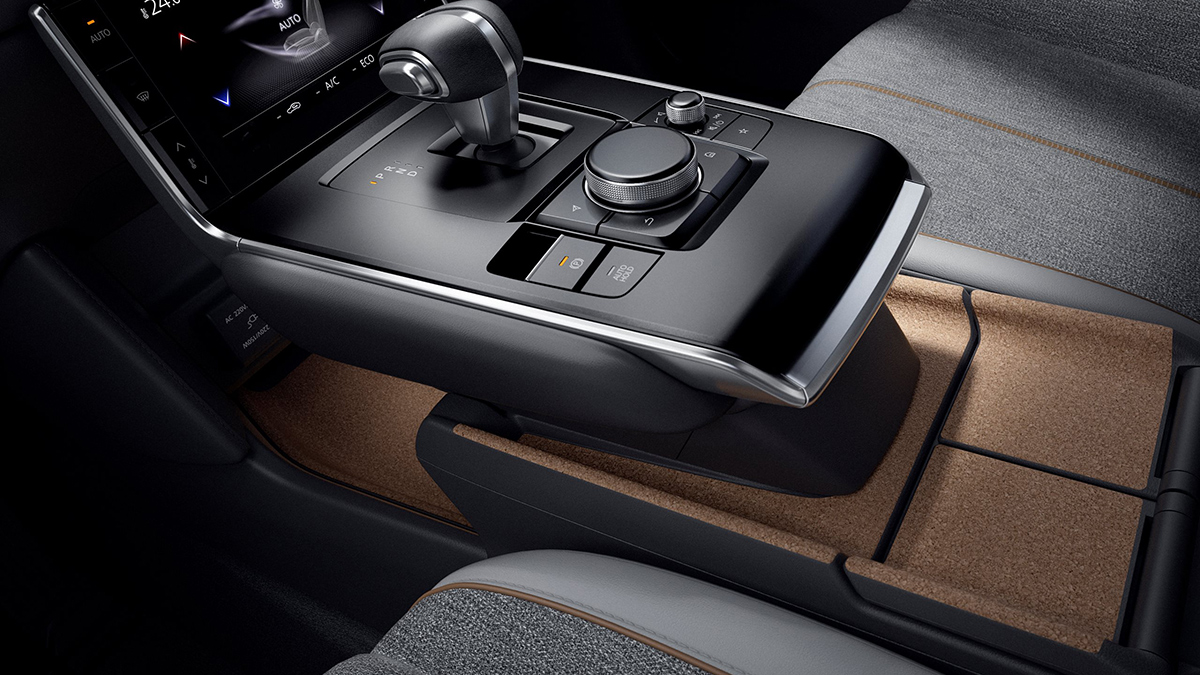
“Mazda could have gone with some plush new type of leather, or perhaps some fancy kind of wood, but it chose cork for one reason, and a very good one at that: cork is in its heritage.
“Wow. Who’d have thought cork, of all things, would look this good inside a car’s cabin? Mazda did, and the results are very impressive.
“The Japanese carmaker utilized cork harvested from fallen trees to spruce up the MX-30’s center console area, lending the component an aesthetic that’s as unique as it is attractive. There’s more to the brand’s decision to go with cork, though.
“In case you didn’t know, the car manufacturer actually got its start producing the material in Hiroshima—Mazda’s hometown and, maybe not so coincidentally, an area where cork trees are abundant. Mazda founder Jujiro Matsuda joined the Toyo Cork Kogyo in 1921 as a board member, bringing innovation to the company’s corkboard production before becoming president. The company dropped ‘Cork’ from its name in 1927 and eventually transitioned into making three-wheeled trucks and discontinuing cork production entirely. The rest is history.”
“It looks like carmakers’ social media departments are just as bored as we are as the world tries to wait out the COVID-19 virus.
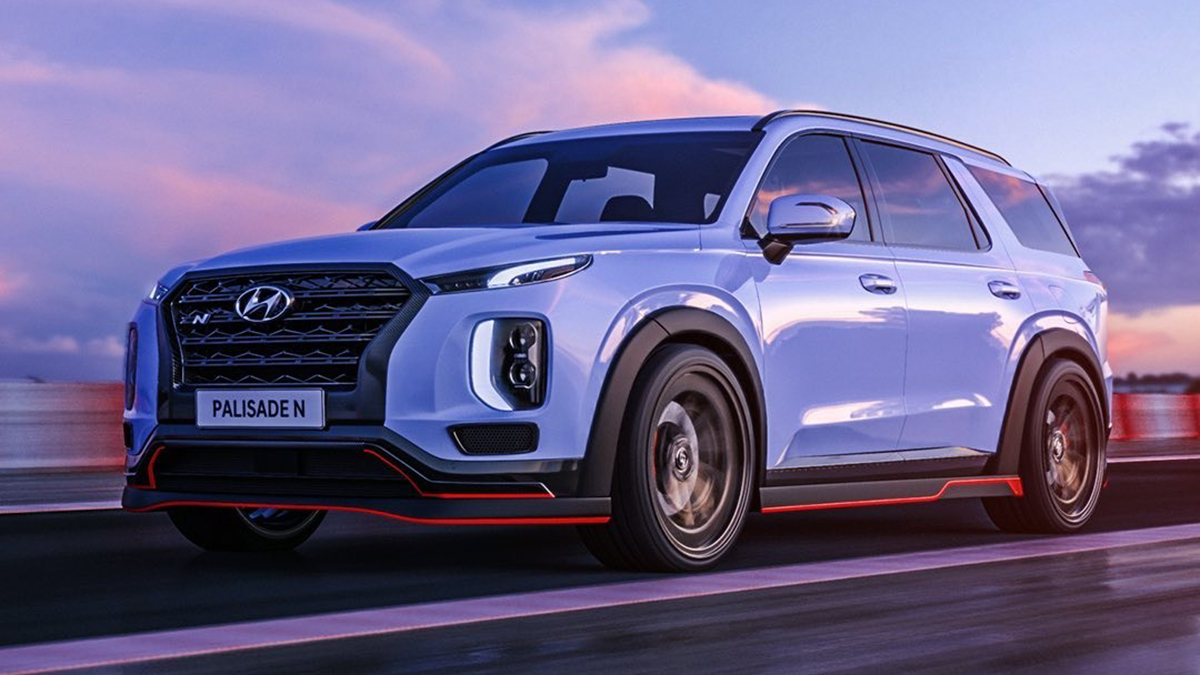
“Hyundai’s N division took to Instagram yesterday—April Fool’s Day, in case you weren’t aware—to share renders of the Palisade SUV, Nexo, and Prophecy electric vehicle concept (which was supposed to be revealed at the now-canceled Geneva International Motor Show) in N form. Excited?
“Well, if the date of the post wasn’t enough to suggest these were nothing more than a cruel tease, the images’ captions confirm they aren’t real.
“‘It’s April Fool’s Day, but instead of jokes we’re sharing fun ideas,’ the brand shared on its official Instagram page. ‘What do you think of a #Palisade N model? (We might be spending too much time at home).’”
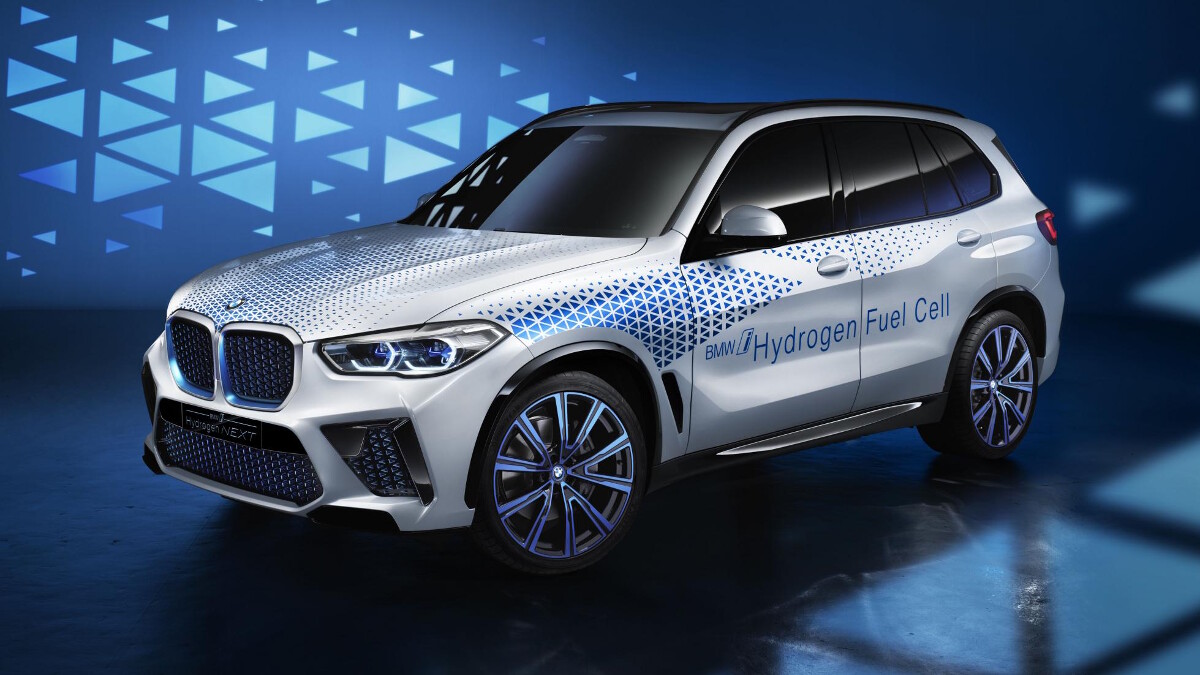
“Though BMW says it will be “some time” before hydrogen fuel-cell tech becomes commonplace, work continues—with help from Toyota—on a potential drivetrain.
“And lo, we have a few small nuggets of info. A prototype hydrogen BMW X5 will be presented in 2022, utilizing the company’s fifth-generation electric drivetrain (like the one in the iX3 and the i4) together with a hydrogen fuel-cell system.
“Deploying the full lexicon on new-age power, then, results in a 368hp total output, to allow “the typical driving dynamics for which BMW is renowned.” Yeah, it’s an X5. We’re not going there, not today.
“Of that 368hp, the hydrogen powertrain itself produces up to 168hp, using an electric converter positioned underneath the fuel cell to adapt the voltage level ‘to that of both the electric powertrain and the peak power battery.’”
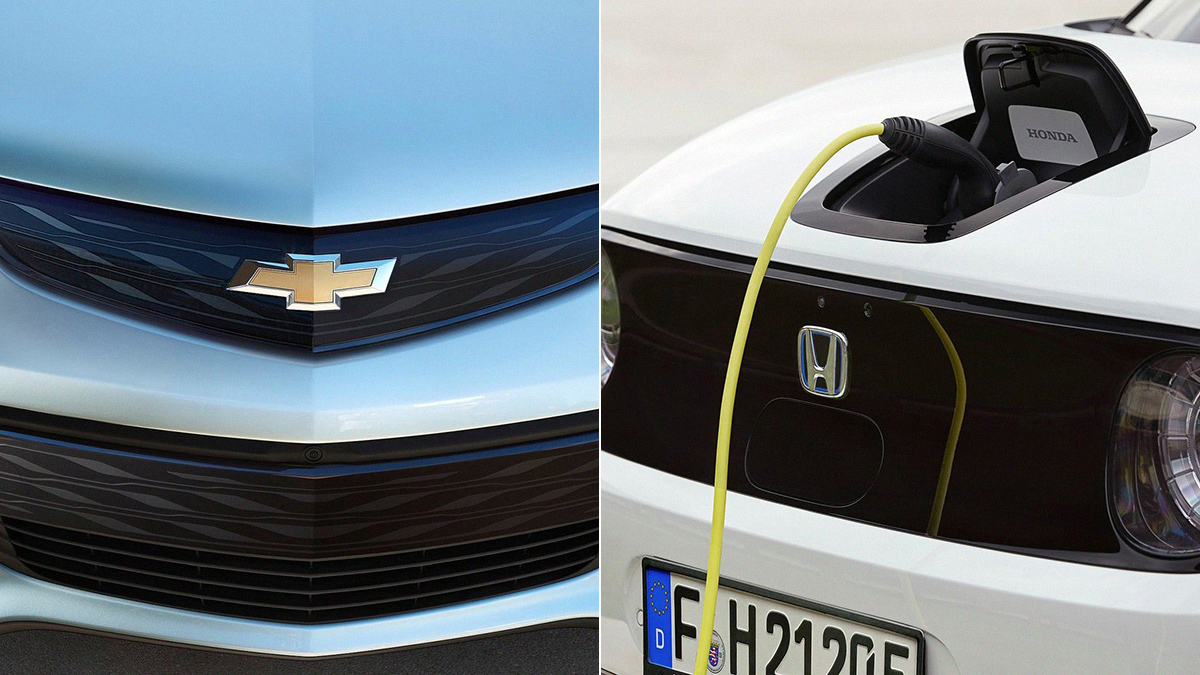
“General Motors (GM) and Honda, two of the biggest players in the global automotive industry, are teaming up to produce a pair of all-new electric vehicles. Both companies have just announced the new partnership, and fans of the latter company should be excited.
“Don’t get us wrong. GM has a very big part to play in this partnership—perhaps the more important one (we’ll get to this in a moment). Thing is, the announcement says the vehicles’ exteriors and interiors will be exclusively designed by the Japanese car manufacturer, and that the platform being developed by the two companies is being tailored to fit Honda’s driving character.
“So, what role does GM play in this? Well, the new cars will use the American brand’s global EV platform and will run on its proprietary Ultium batteries.
“The cars will be manufactured at GM plants in North America, and sales in the region are expected to begin by the 2024 model year. Both brands already have a self-driving vehicle team-up, too, as well as joint battery development efforts as far back as 2018.”
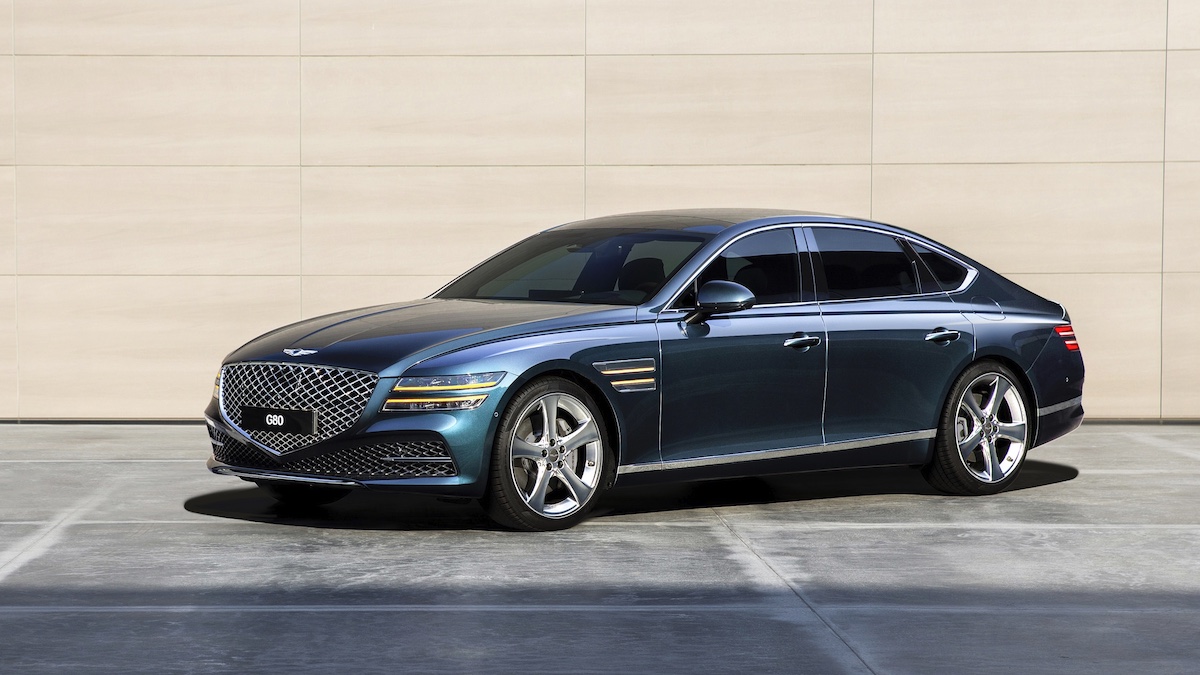
“Genesis promised us a full reveal of the next-generation G80 within the month, and now we have it. Ladies and gentlemen, this is your first real look at all-new Genesis G80.
“In case you missed it, Genesis already gave us a sneak preview of its midsize luxury sedan several weeks back. Now, seeing it out of the shadows in all its glory, we can say that it’s as premium as advertised.
“As expected, the G80 sports the new Genesis design language, with double-lined quad-headlamps flanking a massive crest grille up front. This design flows smoothly on to the side and the rear, where you’ll find similarly styled taillights. If you take out the crest grille-shaped twin exhaust pipes, we reckon its rear looks like a less macho yet more elegant version of the all-new Hyundai Elantra.”
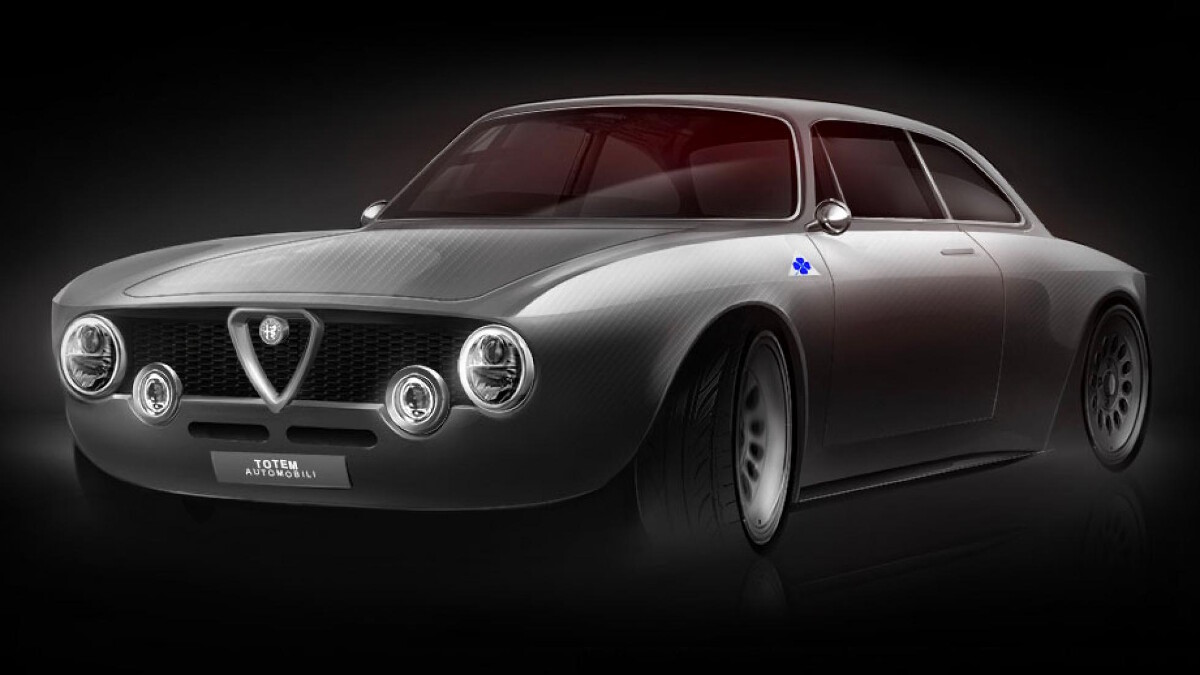
“You’ll have heard by now that this year’s Goodwood Festival of Speed has been postponed for, well, obvious reasons. No doubt this also means many of the cars due to be revealed at the event have also been delayed. We really hope this isn’t one of them...
“May we present Totem Automobili’s Alfa Romeo Giulia GT. Well, a drawing of it. Set to be revealed at 2020’s now-postponed FoS, it’s a heavily modified Alfa GT Junior with a full carbon body, a 50.4kWh battery pack (giving around 322km of range), and a completely redone interior.
“Indeed, while this electric vehicle requires a donor GT Junior, much of the old car is simply thrown away. Only 10% of the chassis is retained, with the remainder built up in aluminum to give the strength required to handle 518hp and 939Nm. Of course, there’s modern suspension and brakes, too, plus a roll bar we’re promised is neatly integrated into the new tech-heavy cabin.”
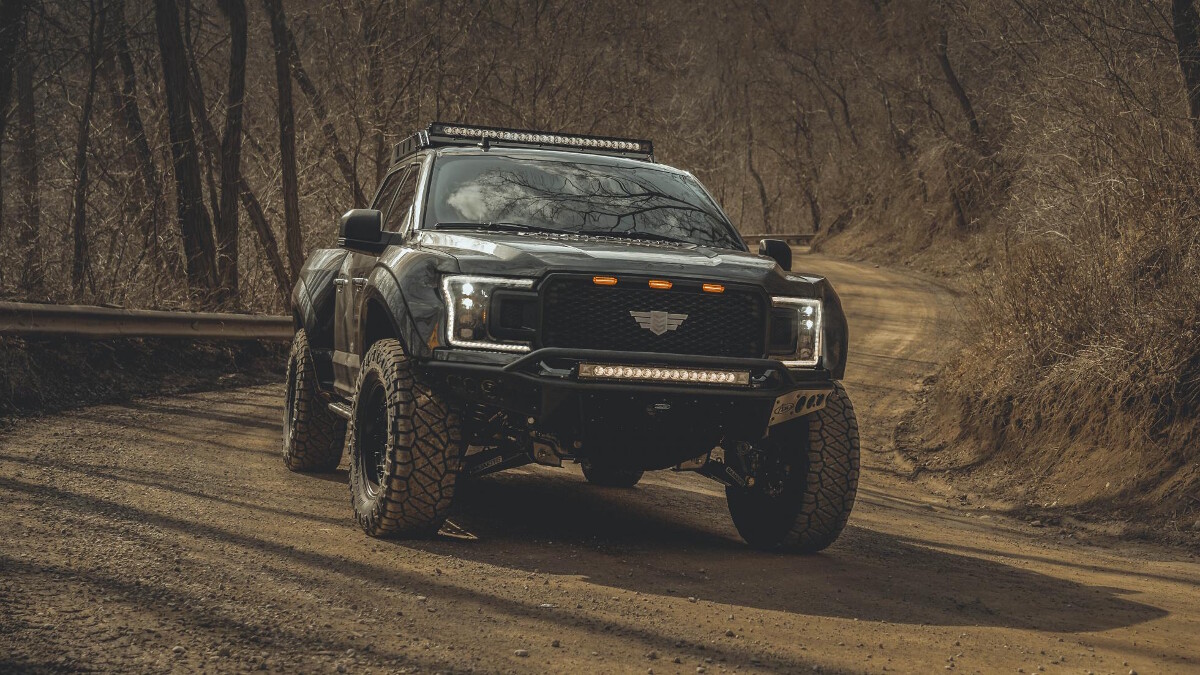
“If you’re into hugely expensive modified Hummers (and let’s be honest—who isn’t?), you might be aware of Michigan-based tuner/restomodder Mil-Spec Automotive. Now, though, the company has branched out to take on America’s second favorite son—the Ford F-150.
“We know what you’re all thinking—why not just buy an F-150 Raptor? Well, Ford currently only offers the Baja-style pickup with an EcoBoost V6. Mil-Spec’s F-150 uses a naturally aspirated 5.0-liter V8 producing 500hp. Nice.
“You might even end up buying the Mil-Spec for its press release alone. We love quotes like ‘bring the brawn with a new line of special-edition high-performance supertrucks made for conquering,’ and that it’s for ‘enthusiasts looking to dominate the road and beyond.’”