Tuesday, April 7, 2020

Masters look-back: Sam Snead beats Ben Hogan in 18-hole playoff to win in '54

A survey of 15 golf writers voted on the top five Masters in history. They are being republished this week because the Masters has been postponed due to the coronavirus pandemic. The 1954 Masters was voted No. 6. The following story moved on April 12, 1954.

AUGUSTA, Georgia — Sam Snead gambled with the "graveyard of the Masters," the tortuous thirteenth hole, and beat Ben Hogan by a stroke in an 18-hole playoff for the Masters golf title on Monday.

Snead won by a score of 70 to Hogan's 71 in a duel that carried right up to the final green. They had finished the regulation 72 holes on Sunday with scores of 289, highest ever to win a Masters tournament.

The victory made Snead the second man ever to win the Masters three times, putting him even with Jimmy Demaret. And it deprived Hogan of the same honor and preserved the tradition that no Masters champion ever repeats the next year.

Hogan had won last year with a record 274 score and before that in 1951. Snead's previous victories had come in 1949 and 1952. Demaret, completing his triple in 1950, was the only player to break the mastery these two have held over the huge, testing Augusta National course in six years.

It was the first head-to-head meeting between these two since 1950.

Snead was the one who got it — on the thirteenth hole, where many fine golfers have blown themselves right out of the tournament.

It was on the thirteenth on Sunday that Billy Joe Patton, the amateur sensation of this year's tournament, took a painful seven that cost him a victory. Patton was a member of Monday's gallery of some 7,000.

Par for the Augusta National course, with its 6,800 yards of landscaped fairways, is 36-36_72. Snead with 35-35_70 was just two under while Hogan had 35-36_71. The scores were in keeping with the unusally high 72-hole total.

While the scoring wasn't sensational, the tense duel between these two great golfers kept the sweating, hurrying spectators on edge right to the finish. The thirteenth was the deciding hole and when Hogan three-putted the short sixteenth, Sam's victory seemed assured. But it wasn't until Snead came out of a trap within putting distance of the last hole that the crowd really relaxed.

After they had turned the first nine all even, Snead went ahead for the first time when he holed a sensational chip shot from off the edge of the tenth green. Hogan got that one back on the twelfth and they came to the "graveyard" thirteenth.
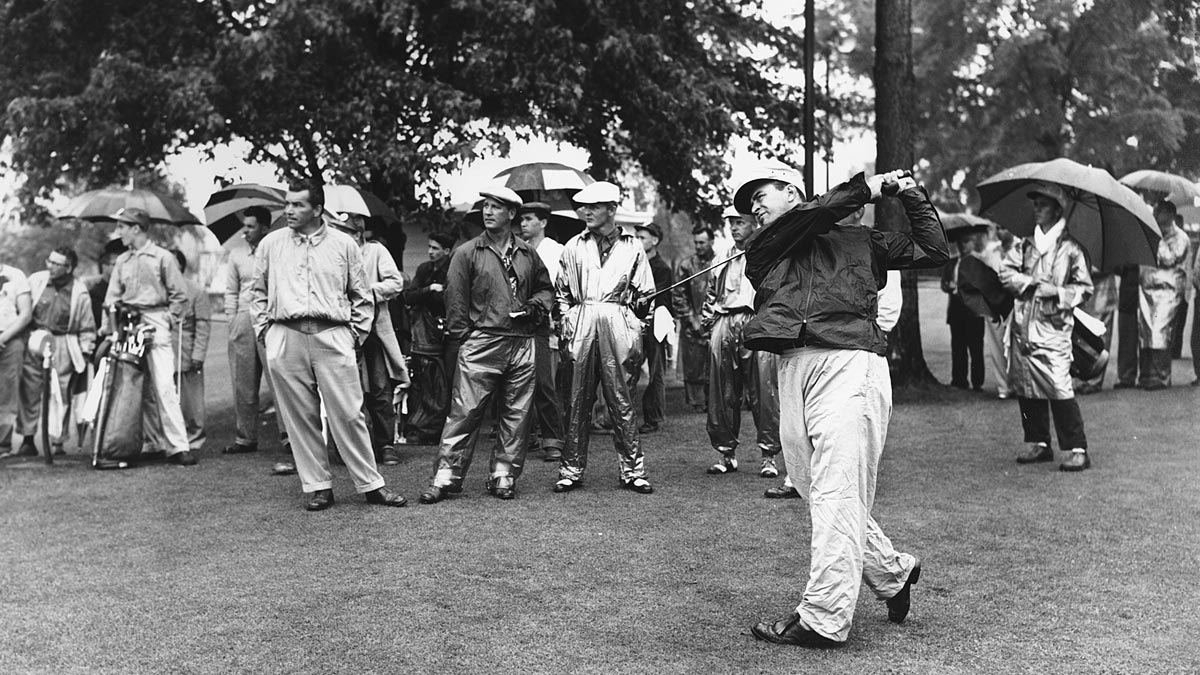
This is a 470-yard, par five hole with a sharp dogleg around some woods to the left. A creek winds in a deep ditch along the left side of the fairway, crosses in front of the green and bends around the right side of it.

Hogan, hitting first, elected to play safe. He drove to the right of the fairway and played a safe shot short of the creek. But Sam elected to gamble. He slammed his drive close to the trees on the bend, took an iron and fired a long, low shot to the green some thirty-five feet past the pin. Hogan's chip was weak and stopped on the front fringe of the green.

Snead, who has a reputation as a shaky putter and who admitted to the worst case of "yips" in his career before this tournament started, made an almost perfect putt. It came so close to dropping for an eagle that his caddy, holding the pin, bent down to the ball and waved it on.

Hogan, putting from the fringe, couldn't get down and Sam tapped his one-footer in for a birdie that put him ahead to stay.

When they halved the seventeenth in par fours, Snead's face finally relaxed into a smile. But it wasn't entirely settled. On the last hole Snead's second shot went into the trap while Ben was on the green. Sam played a beautiful explosion shot to within six feet of the cup. Hogan's putt was barely short and he got down for his four. Snead missed his first putt, but it didn't matter. He was close enough to get the winner.
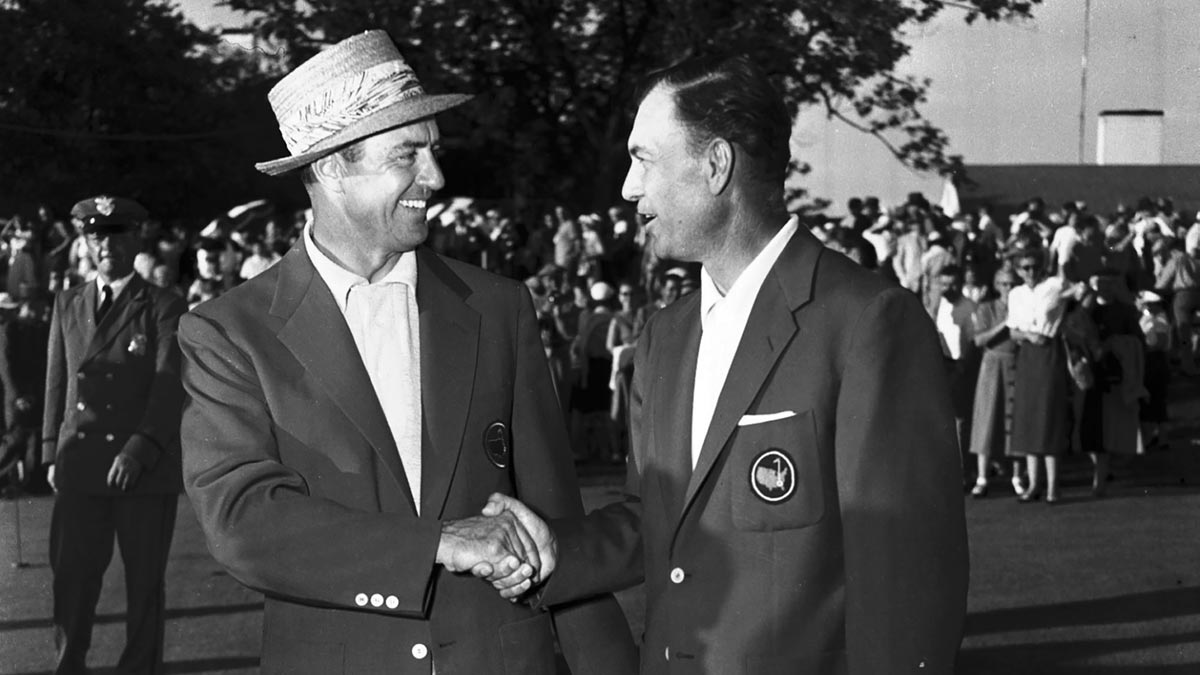
For a while on the front nine, Snead was close to succumbing to the jitters. He saw Hogan make a beautiful recovery from a trap to halve the 555-yard second in birdie fours and then Sam had three-putted the 220-yard fourth to go one down.

This was the second Masters playoff which Hogan had lost. Byron Nelson beat him by a stroke in 1942.

This time the stakes were a lot higher. With the guaranteed purse increased by 150 percent at the end of the tournament, the winner's share was $5,000 and the loser's was $3,175.

The only other Masters playoff took place in 1935 when Gene Sarazen beat Craig Wood in a 36-hole duel.

Snead and Hogan now have clashed three times in two-man duels and the score stands 3-0 in Snead's favor. He beat Hogan in the San Francisco match play tournament before the war and again in the playoff for the Los Angeles Open title in 1950.


The panel of voters: Jeff Babineau, Morning Read; Michael Bamberger, golf.com; Mark Cannizzaro, New York Post; Iain Carter, BBC; Steve DiMeglio, USA Today; Doug Ferguson, Associated Press; Bob Harig, espn.com; Rex Hoggard, golfchannel.com; Derek Lawrenson, The Daily Mail; Tod Leonard, golfdigest.com; Jim Litke, Associated Press; Jim McCabe, pgatour.com; Bill Pennington, New York Times: Dave Shedloski, golfdigest.com; John Strege, golfdigest.com.

[ArticleReco:{"articles":["100806","101484","101407","101329"], "widget":"More from spin"}]

Source: Spin PH
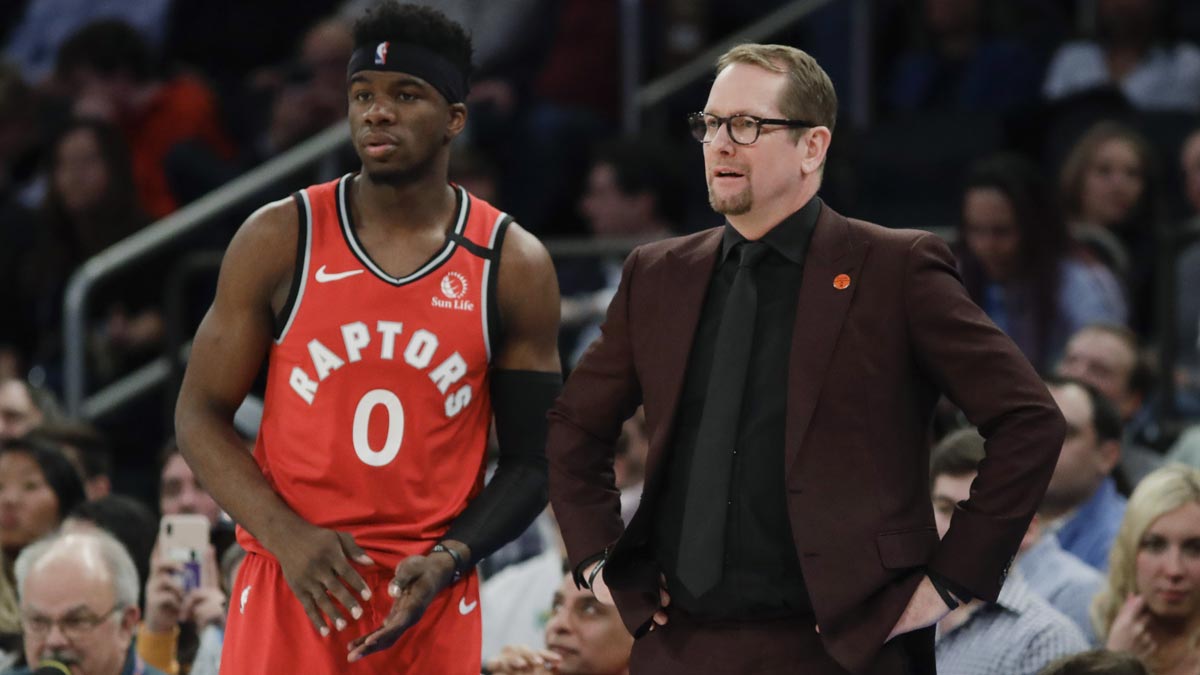
UP Maroons 'bonfire' team Zoom-ed back in time and it's hilarious

ANYONE can dream, right?

Members of the 2014 University of the Philippines team - remember that ragtag crew which ended a 27-game losing streak and celebrated that win with a bonfire - couldn't help but compare themselves to last year's Maroons side.

Mikee Reyes, who hosted a Zoom session that reunited members of that team, raised the question to his peers as they willingly paired themselves on who will defend whom in a theoretical game against the last batch of the Fighting Maroons.

The result? It was hilarious.

"Noong panahon natin, di naman tayo nag-man-to-man. Puro zone lang tayo noon," said Mo Gingerich, who now works as an assistant to UP head coach Bo Perasol. "Wala tayong pag-asa pag tao-tao."

[ArticleReco:{"articles":["25860","26032","70428","96255"], "widget":"More from spin"}]

And here is the list they came up with.

Kobe Paras will be defended by Gingerich, while Ricci Rivero will have Agustini Amar across him.

Juan Gomez de Liano will draw Reyes, although the Maroons guard turned TV commentator did gave a playful disclaimer and said, "Sa payabangan lang."

Bright Akhuetie will be guarded by Andrew Harris, Jun Manzo will have Jarrell Lim on him, and Jaybie Mantilla drew Diego Dario.

Javi Gomez de Liano and Will Gozum both drew the name of Mark Juruena, James Spencer will have Dave Moralde on him, and David Murrell will be facing JR Gallarza on the defensive end.

Rounding out the matchups were Gelo Vito on Noah Webb, Henry Asilum on Jaydee Tungcab, Darwish Bederi on Jboy Gob, Kyles Lao on Janjan Jaboneta, Martin Pascual on Jerson Prado, and Carlo Escalambre on Pio Longa.

[facebook:https://ift.tt/3c0bGMq]

Fun as the activity was, the Season 77 side knows that they're no match against the Season 82 team in a best-of-seven series.

"Wala, 0-4 tayo doon," Reyes said, to which Gingerich responded: "Si Juan, mag-40 kay Mikee."

Lim, meanwhile, was more optimistic, responding, "1-4, kasi tiwala ako kay coach Mo na babantayan niya si Kobe."

Dario, on the other hand, was more snarky in his remark, saying, "Pag na-shoot na ni Mikee yung free throw, panalo tayo."

Source: Spin PH
Uncertainty remains but Nick Nurse, Mike Budenholzer preparing for playoffs

WITH NBA games indefinitely on hold, there has been a lot of discussion about postseason possibilities — including by coaches around the league.

They're preparing for what a resumption of the season that was shut down March 11 could look like in the wake of the coronavirus pandemic.

Toronto coach Nick Nurse said he's trying to prepare for every possibility that would allow the Raptors a chance to defend their title.

"We're ready for whatever is thrown at us," Nurse said recently during a conference call with reporters. "I don't think it really matters. What matters is that we attack the title in whatever format it's going to be presented in and we go for it."


No one knows what will be thrown at the NBA or the rest of the sports world. Guidelines from the Centers for Disease Control and Prevention advising against large gatherings make the calendar a major factor in how the league could resume its season.

The ideas are many, from a shortened version of the remaining schedule played without fans to the very real possibility of jumping straight into the playoffs to ensure a season is completed before the end of summer.

Milwaukee coach Mike Budenholzer said he has spent part of this hiatus studying the Orlando Magic and Brooklyn Nets — the Bucks' two most likely first-round playoff foes — as well as other Eastern Conference teams.

Nurse had already begun thinking postseason before the season was suspended.

"When we hit March 1, we've got a kind of playoff prepping plan thing that kicks in," the Raptors coach said. "We spread the teams around our staff members and they prepare a pretty detailed couple of hour video sessions.

"They would normally come into my office and start showing that to me one-on-one. It's a two-hour video that we go through probably in about three hours on certain teams in the East and then a handful of them in the West as well.

"The coaches were started in on that already and they'll continue on that. The only difference is there's no real one-one-one time with me yet. They'll probably just have to send me their edit and then I'll just have to watch them and talk to them on the phone."

If the NBA resumes the season with the start of the postseason, Nurse and Toronto would be the No. 2 seed in the East and would host No. 7 Brooklyn. Other matchups would be: No. 1 Milwaukee vs. No. 8 Orlando; No. 3 Boston vs No. 6 Philadelphia; and No. 4 Miami vs No. 5 Indiana.

In the West: No. 1 LA Lakers vs No. 8 Memphis; No. 2 LA Clippers vs No. 7 Dallas; No. 3 Denver vs No. 6 Houston; No. 4 Utah vs No. 5 Oklahoma City.

As good as the matchups look on paper, the play could be sloppy.

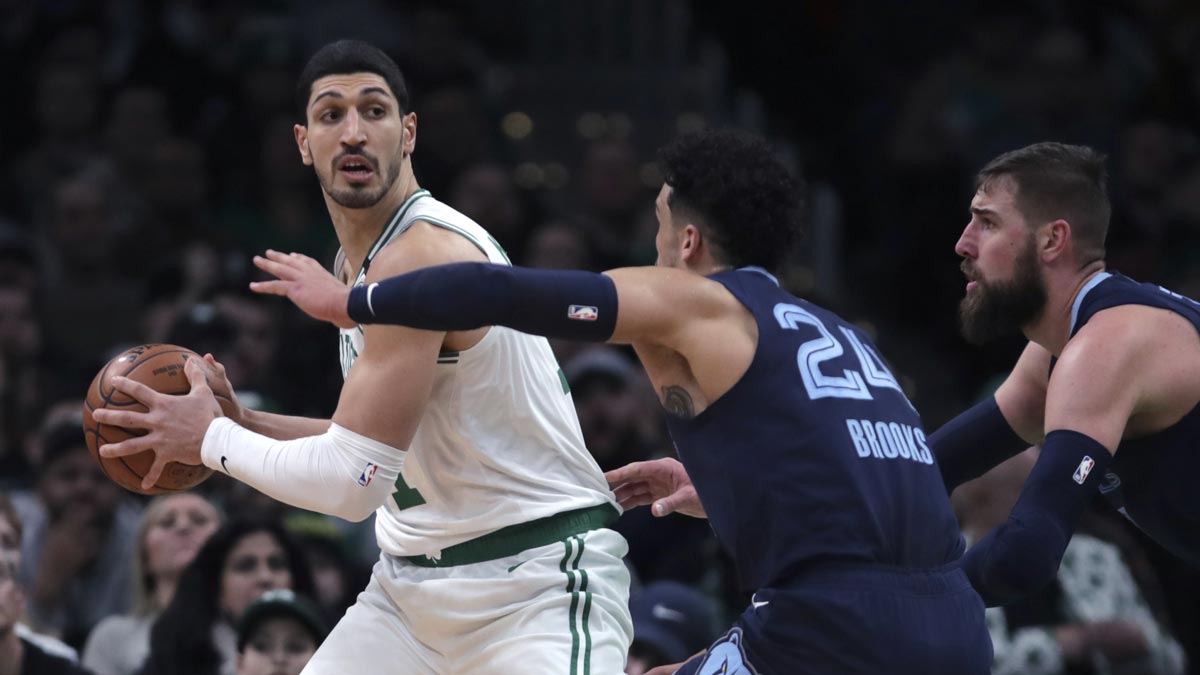
Celtics center Enes Kanter estimates it would take at least two to three weeks for players to get their bodies in game shape. Part of the reason, he said, is the time players have had away from the court.

Kanter believes a training camp-like period would probably be needed.

"You can't just say 'OK, we're going to play the games a week later.' Some players are doing some things. Some players are in their apartments not doing anything," Kanter said during a conference call. "We need to make sure everybody is doing their stuff and is in good shape to go out there and compete if we jump straight into playoffs."

Kanter said a training camp setting would also help players refocus. He said while he's staying in shape, he's also spending time reading, watching documentaries and teaching himself to cook and play the piano.

It's clear time is not the NBA's friend.

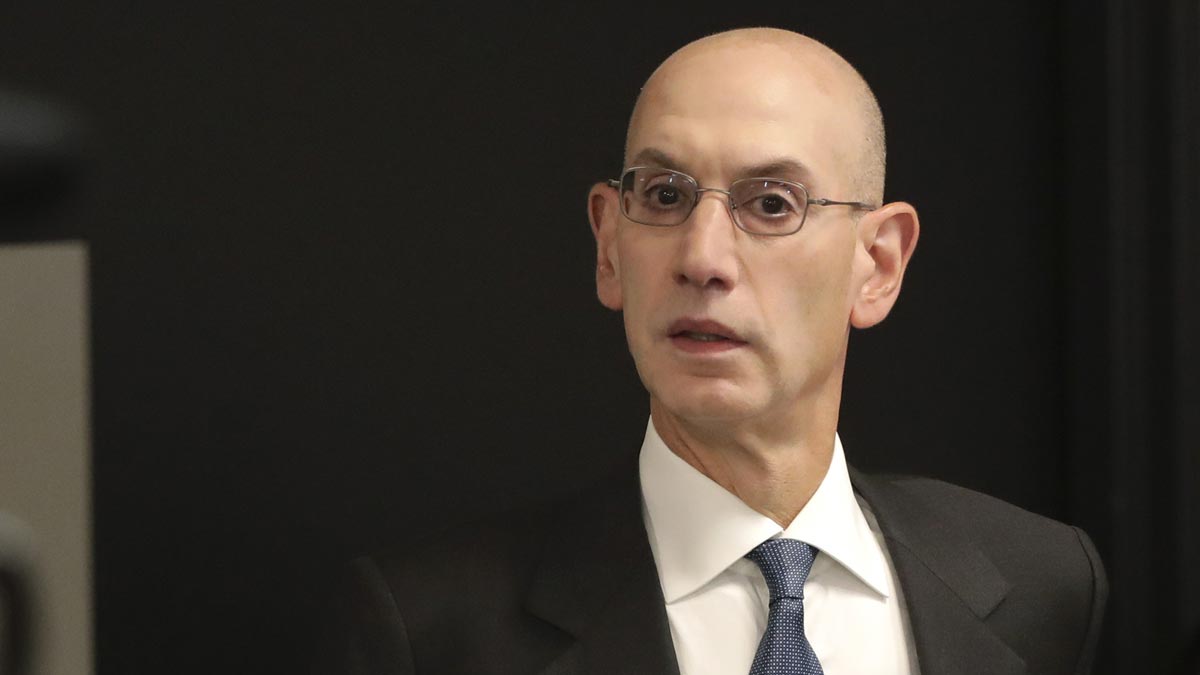
Monday marked the 26th day of the shutdown, a stoppage that has already cost the league more than 100 games. And the CDC is recommending that no in-person events involving 10 or more people be held through the end of April as the US fights the spread of the pandemic. NBA Commissioner Adam Silver said Monday the league would not make any decisions about resuming the season until May at the earliest.

Kanter said if a decision is made to jump straight to the postseason, he hopes the length of the series won't be affected.

"We're competitors, man. We want to go out there and push through and finish the season," he said. "It's crazy because we have a really good chance to go out there and get a championship. So, it's like for sure you want to go out there and compete."


AP freelance writer Ian Harrison contributed to this report.

Source: Spin PH
Blackwater owner urges PBA to go back to two-conference format

BLACKWATER team owner Dioceldo Sy urges that now more than ever, this is the proper time for the PBA to consider reverting to a two-conference format for every season.

Sy said three conferences per year no longer appear viable especially with the league forced to tweak its schedule from time to time to adjust to the new FIBA format, and thus resulting in the overlapping of its playing calendar for a season.

Scheduling became an even bigger problem now that the coronavirus pandemic forced the PBA to suspended its young season that saw the its initial offering Philippine Cup play just its opening game day before the Enhanced Community Quarantine was imposed on the entire Luzon island. 

“I’m all for it (two conferences). I’m a long proponent of two conferences even before this coronavirus outbreak,” said Sy on Tuesday.

The PBA Board is set to convene in an online meeting later in the day to discuss measures on how the rest of the season will proceed especially with the quarantine period being extended to another two weeks, or until April 30, by President Duterte.

Commissioner Willie Marcial mentioned that making do with just two conferences this season or even adjusting the All-Filipino meet to just one long tournament are among the options being considered by the board and league think-tanks.

But for Sy, the two-conference set-up which he’s been advocating informally in the past, is practical.

“I think we can do away with two conferences with an import. Just an All-Filipino and one conference with import [na] 6-foot-9 and above. Nagawa naman na ng liga ito before, so I don’t see any reason why we can’t do it now.”

The league modified its format to a two-conference season when Noli Eala became commissioner in 2003, specifically to give a PBA-reinforced national team the time to prepare for major FIBA-sanctioned tournaments.

The set-up was retained by Eala’s successor Sonny Barrios until the league returned to its original three-conference system by the time Chito Salud took over.

The only other time the PBA had two conferences in a season came in 1981 when the country first hosted the Southeast Asian Games.

Sy is aware the PBA has an agreement with most of its sponsors about the number of games it should play in a season, which will likely be reduced if only two conferences are held in a year.

But there’s always a compromise, he added.

“Puwedeng mahabang tournament yung Philippine Cup, and then the same with the import-laden conference. It may not approximate the number of games of having three conferences, but nasa bargaining na yan.”

[ArticleReco:{"articles":["101490","101474","101442","101341"], "widget":"More from spin"}]

Sy said the PBA is perhaps one of the few leagues in the world with long playing calendars, one that lasts nine to 10 months in a year.

With a reduced tournament, Sy said players will be less prone to injuries.

“Makakapahinga rin ang mga players, hindi rin yung bugbog talaga,” added the long-time team owner.

For the 12-member ballclubs, it may also meant lesser exposure and gains, but it’s a sacrifice everybody in the league should take, Sy added.

Source: Spin PH

Monday, April 6, 2020

Is Fajardo already the PBA's GOAT? Let's look at the numbers

THE 45th season of the PBA began last March 8 at the Smart Araneta Coliseum with the Annual Leo Awards, where San Miguel Beer’s June Mar Fajardo won an unprecedented sixth straight MVP award.

Fajardo, who received his MVP trophy while on a motorized wheelchair after fracturing his right tibia in preseason practice that will likely keep him out for the entire upcoming season, won six MVPs in a row right after losing out to Calvin Abueva, then with Alaska, for Rookie of the Year honors in 2013.

The 6-10 Cebuano is now two MVP trophies clear of Ramon Fernandez and Alvin Patrimonio who previously had the most number of MVP awards in the league with four apiece.

There are already those who have already proclaimed Fajardo as the PBA’s GOAT, or greatest of all-time, because of his six MVPs.

But is the number of MVP awards the sole basis for being named the GOAT?


If that’s the case, why is Kareem Abdul-Jabbar hardly popular in current NBA GOAT conversations among fans and in media despite his league-most six MVPs? Michael Jordan, Lebron James and the late Kobe Bryant are always the ones being mentioned in social media GOAT debates.

Is Fajardo’s eight-championship total with the Beermen, inclusive of the last five Philippine Cup titles, part of the equation as well for PBA GOAT considerations?

If that’s the case, then Fajardo’s total will pale in comparison right now to Fernandez’s 19, although the former’s career isn’t over yet.

In the NBA, Bill Russell has the most number of championships won of all time among players but he, too, is rarely mentioned in GOAT discussions.


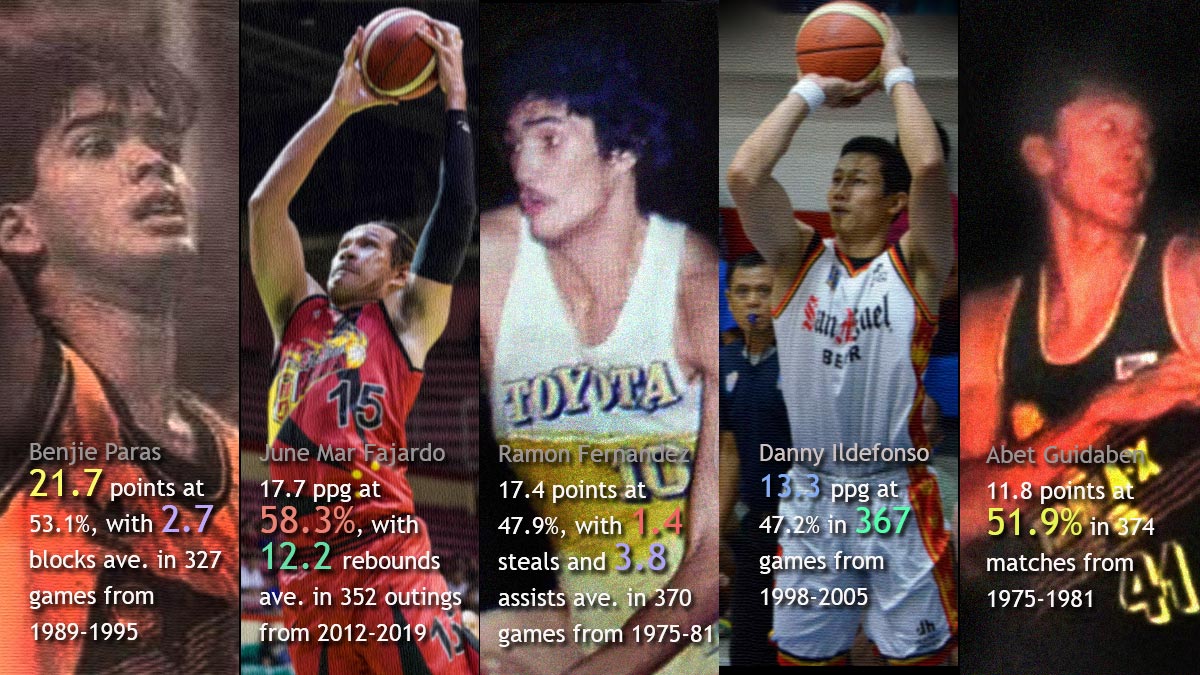
Career statistics-wise, will Fajardo be able to catch up with the likes of Fernandez, Abet Guidaben, Benjie Paras and Jerry Codinera, among the many PBA legendary centers, in terms of scoring, rebounding and shotblocks, among others?

Right now, Fernandez, who played 20 seasons in the PBA, is No. 1 in the league’s all-time list in scoring (18,996), rebounding (8,652) and shotblocks (1,853) and No. 2 in assists (5,220, behind Sonny Jaworski’s 5,825) and  steals (1,302, behind Johnny Abarrientos’ 1,358).

I guess we’ll never know until Fajardo’s playing career is over, right?

[ArticleReco:{"articles":["101313","101341","101138","101109"], "widget":"More from spin"}]

But maybe we can take a peek at the answer by comparing Fajardo’s numbers with those of the other legendary centers in PBA history who have won multiple MVP awards after their first seven seasons in the league.

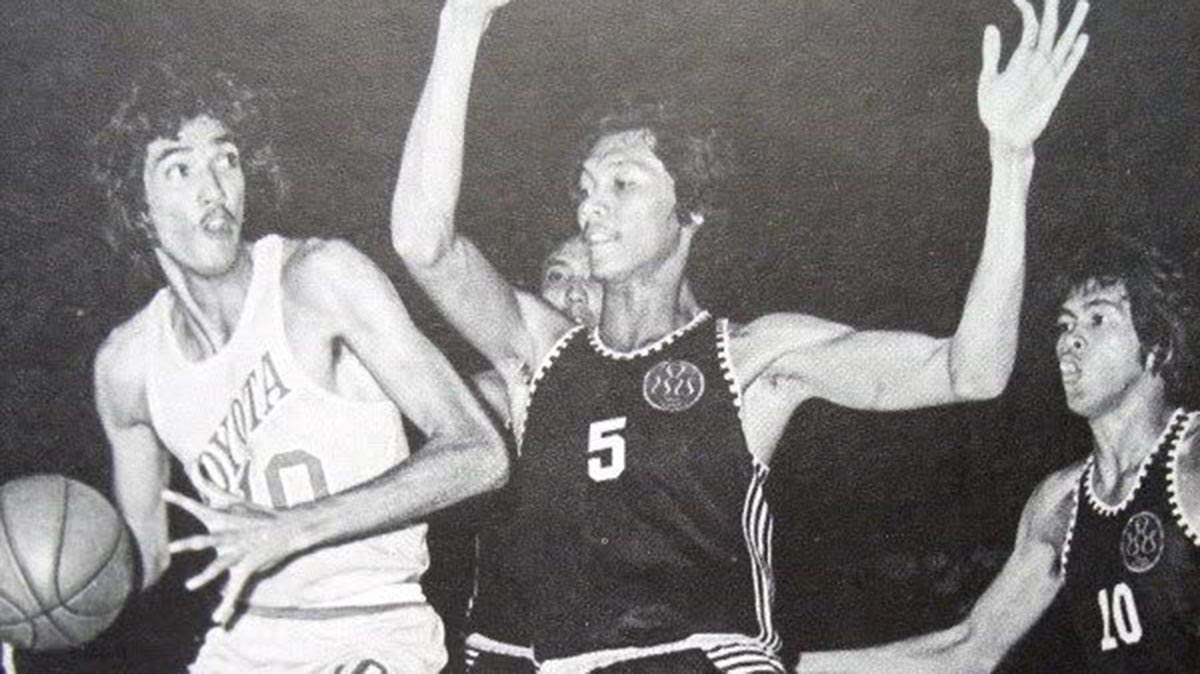
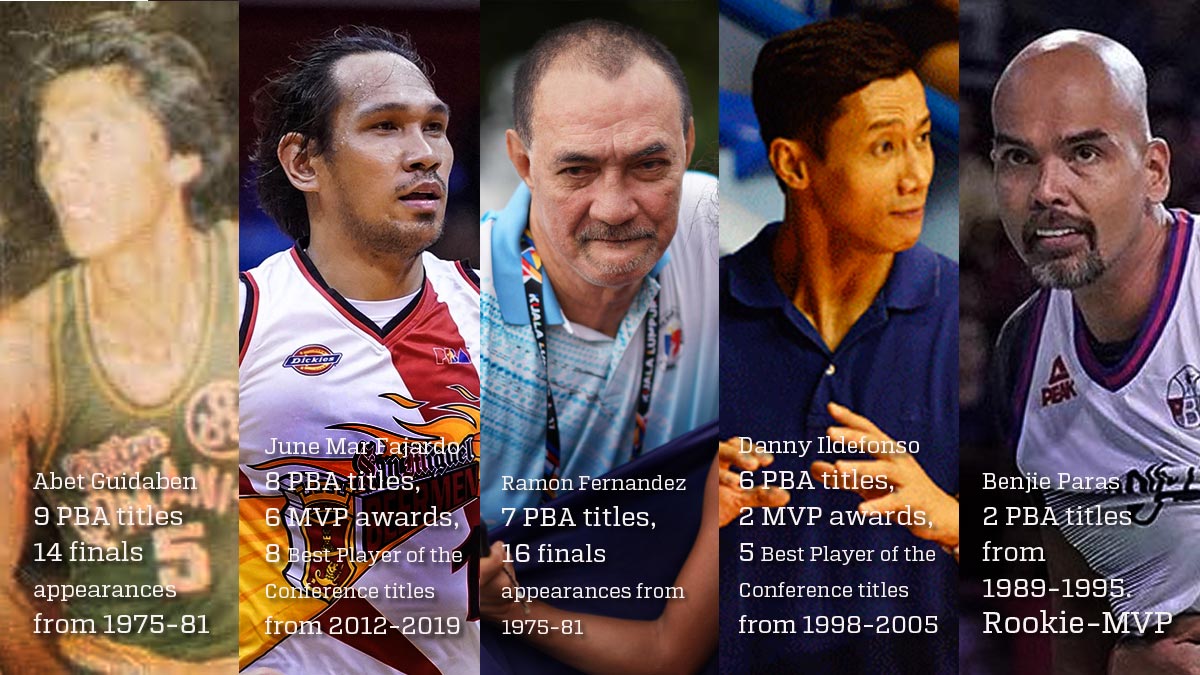
Aside from Fernandez, who won each of his MVP awards with different teams (Toyota in 1982, Beer Hausen in 1984, Tanduay in 1986 and San Miguel Beer in 1988), other centers who won at least two MVPs in their PBA careers were Guidaben (two; with Crispa in 1983 and San Miguel Beer in 1987),  Paras (two; 1989 & 1999 with Shell; the only Rookie of the Year & MVP winner ever which he did in 1989) and Danny Ildefonso (2 with San Miguel Beer in 2000 and 2001).

Here are their comparative numbers and awards won through their first seven PBA seasons:


Some notes we can infer from these numbers, or others worth noting:

* Fajardo’s 12.2 career rebounding average is actually No. 1 all-time among all local players to date, which should bode well if he intends to catch up with Fernandez’s numbers in that category.

* Fajardo has the worst free-throw shooting percentage among these 5 bigs in their first 7 seasons, which may be something he may want to improve on moving forward, and specially since he will likely continue to be among the most fouled players in the PBA for a long time, well unless he improves his foul-shooting.

* Even at 6-10, Fajardo’s shotblocking prowess pales in comparison to those of the 6-5 Paras’ and the 6-4 Fernandez’s, numbers-wise.

* Ildefonso’s 5 BPC awards is three less than Fajardo’s total but Danny I won his 5 consecutively - from the 2000 Commissioner’s Cup up to the end of the 2001 season.

* Guidaben never won an MVP nor was on the Mythical Team in his first seven seasons in the PBA and had the lowest across-the-board averages compared to the four other players but won the most number of championships in that span, all with Crispa.

If he isn’t yet, will June Mar be eventually the PBA’s GOAT by the time he hangs up his sneakers?

Source: Spin PH
All the different COVID-19 tests, explained

EXTENSIVE testing for the SARS-CoV-2 virus that causes COVID-19 is beginning to ramp up. By the end of April, the country will be able to conduct 10,000 tests per day, according to Department of Health Undersecretary Maria Rosario Vergeire

Is this the mass testing that many have been clamoring for?

In a way, yes. But infectious disease specialist Dr. Edsel Maurice Salvaña prefers to call it “massive testing”. As he explained in a Facebook post, “To clarify, the goal is to test everyone who needs a test[.] [T]his includes close contacts of known cases and some sampling in the community.”

He continued: “This is not mass testing but massive testing to test everyone who needs it. Testing people who don't need the test is a waste and can lead to misleading data, given the limitations of testing accuracy.”

With more wide-scale testing rolling out, here’s our explainer on how, exactly, COVID-19 tests work. Hopefully, it will clear up a lot of questions and terms floating around now that widespread testing is being rolled out.

Warning: science words ahead!


First, let’s get some terms clear.

Viruses and diseases often have different names. For example, AIDS (acquired immunodeficiency syndrome) is the disease. The virus that causes it? HIV.

The respiratory disease that is currently raging around the world is called COVID-19. The virus that causes it has been named SARS-CoV-2. It is part of a family of viruses called the coronavirus, which include viruses that cause SARS and MERS. Early on in the start of its worldwide spread, SARS-CoV-2 was called the novel coronavirus (because it was a new form of coronavirus) or nCoV for short. 

In this article, we’ll occasionally use the words coronavirus or novel coronavirus to refer to SARS-CoV-2.


So how do we test for SARS-CoV-2?

In the battle against COVID-19, there are two kinds of tests that are being deployed. 

One looks for the genetic material or protein evidence of the actual virus. The other kind of test looks for antibodies in your system that are fighting against SARS-CoV-2. 

Let’s first talk about the first kind of tests.

The main methodology for checking for genetic material of the virus is the polymerase chain reaction, or PCR, test. A quantitative reverse transcriptase-based PCR test (or RT-PCR, for short) remains the “gold standard in determining whether a person is infected or infectious,” according to a DOH circular dated March 31.

As of April 3, the Philippine Food and Drug Administration has approved 21 RT-PCR tests for use in the country — including the one locally developed by the University of the Philippines and manufactured by Manila Healthtek Inc.

How does RT-PCR work?

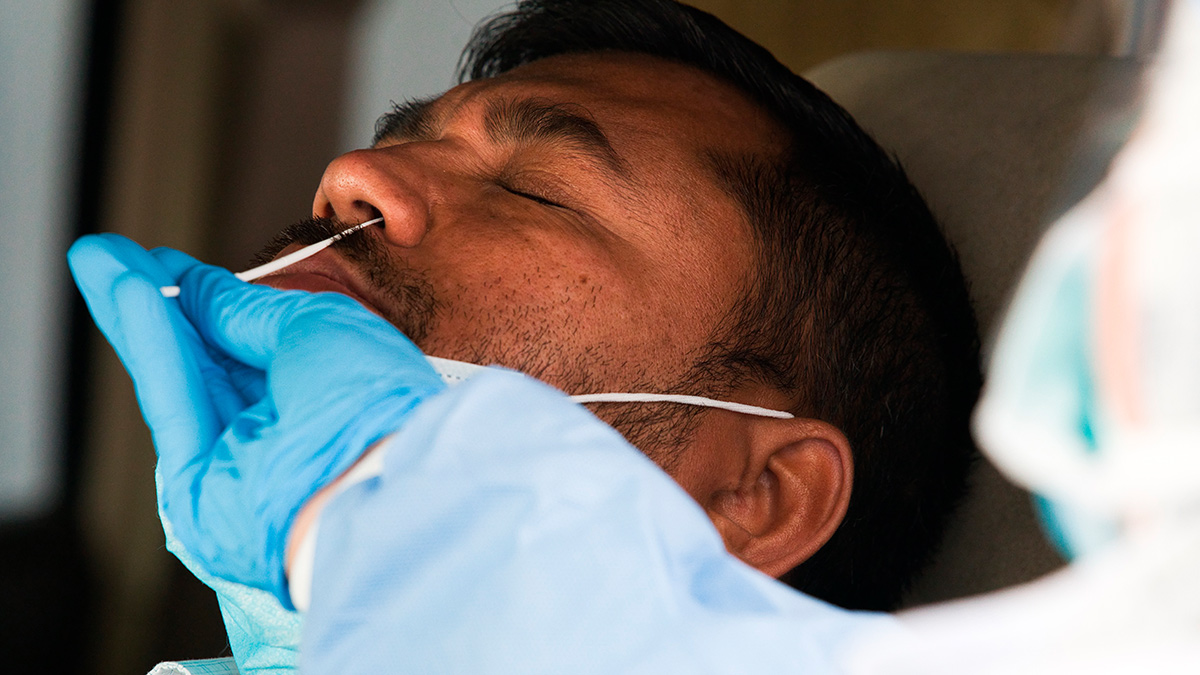
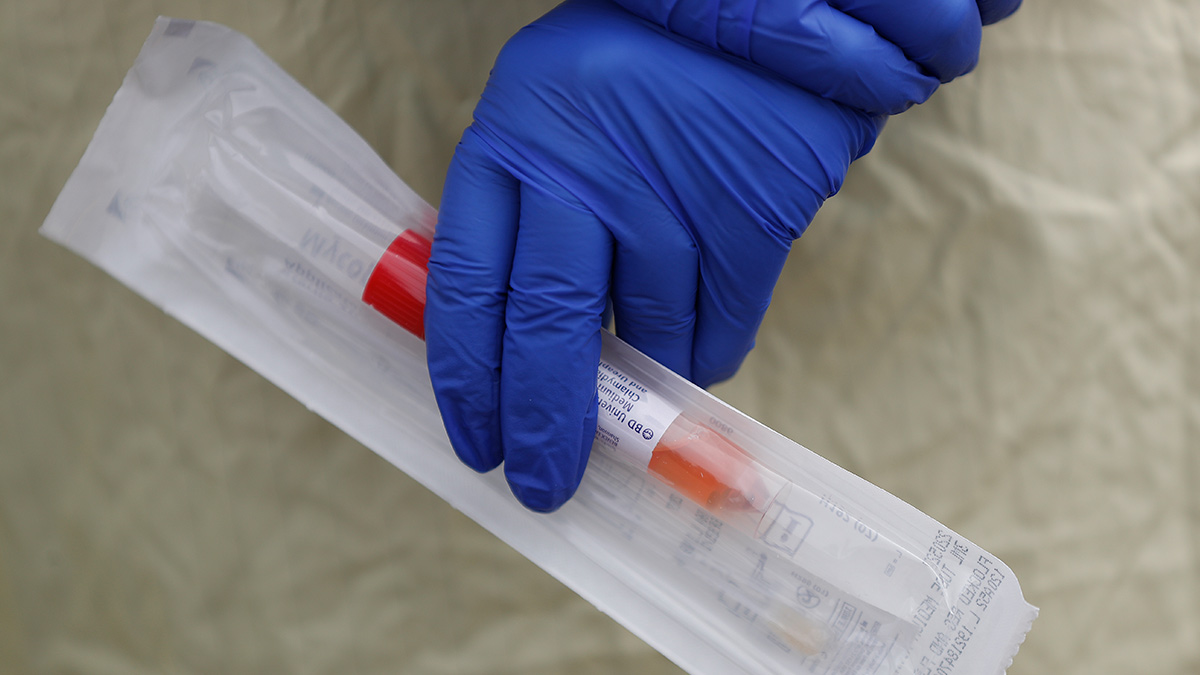
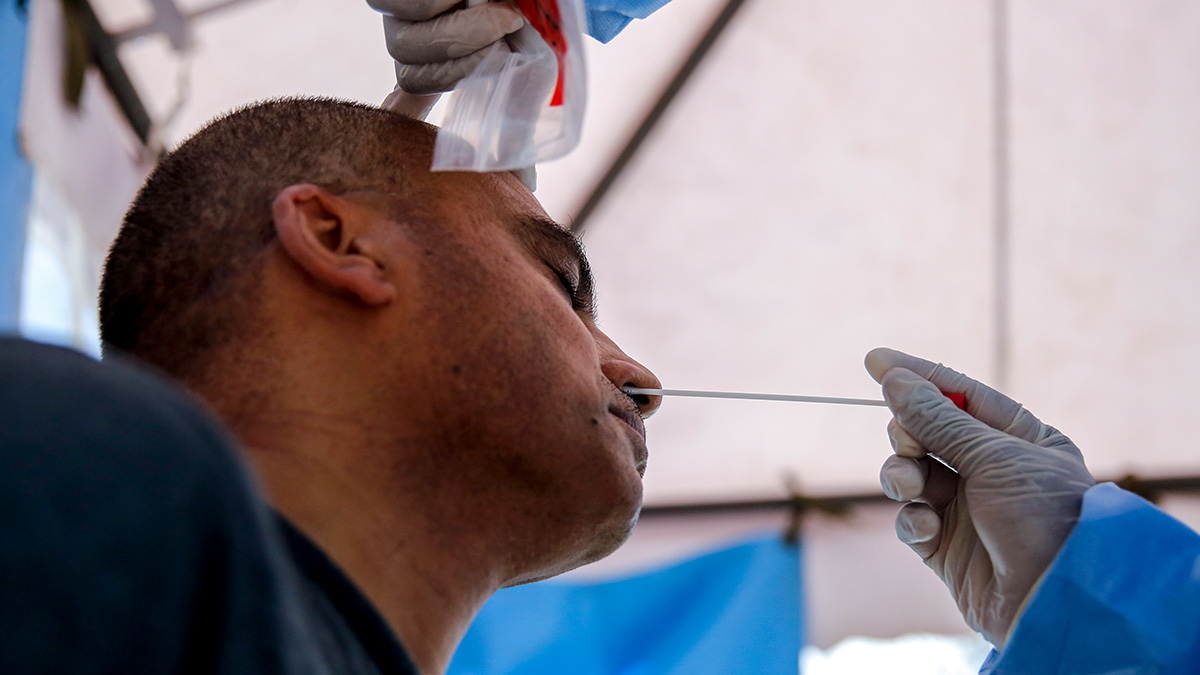
Basically, RT-PCR tests look for genetic evidence of the virus in a given sample. A patient is swabbed in the nose and throat (since COVID-19 is a respiratory disease), and this swab is brought to a central testing laboratory. 

Because the novel coronavirus is made up of a single strand of genetic material called RNA, it needs to be converted into double-stranded DNA so that it can be “copied” for further analysis. Scientists use a well-known process called reverse transcription to do this. So they extract RNA from a sample, then use an enzyme to reverse-transcribe it to DNA. 

The RT-PCR machine then essentially acts like a genetic xerox machine, churning out billions of copies of the DNA sample. The “amount” of the virus is then measured using a fluorescent dye. If the fluorescence goes above a certain level, then it’s a hit, and the presence of the virus is confirmed in the sample.

What are RT-PCR’s advantages?

They are highly sensitive, highly accurate (especially if administered early, and they are very easy to manufacture. On April 3, the secretary of the Department of Science and Technology announced that Manila Healthtek Inc., manufacturer of the UP-developed test, had already received reagents that would enable them to make up to 120,000 kits.

What are RT-PCR’s disadvantages?

Results often depend on the quality of the sample. “As the swab needs to pick up enough of the virus to work, this is one of the reasons the coronavirus in the PCR test can have a higher false negative test rate — that is, missing the virus even though someone has the infection,” explained Dr. James Gill of Warwick Medical School in the UK.

This is why repeat RT-PCR tests may need to be conducted on a single patient.

And while the actual testing process is very fast, samples need to be transported to a central testing laboratory. For the first few weeks of ECQ, there was only one in the country: the Research Institute of Tropical Medicine in Muntinlupa. There are now, however, six, with more already in the last phase of accreditation.

Still, the need for a centralized point of analysis means turnaround times for results could be slow.


And what about the second kind of tests, the antibody tests?

In these kinds of tests, you’re not looking for the virus itself, but for evidence that the virus is (or was) inside your body. That means looking for antibodies — proteins manufactured in your blood that act as virus fighters.

Currently, the FDA has approved nine antibody test kits for use in the Philippines.

Some of these tests are laboratory based. But of particular interest to many people are the rapid antibody test kits, which are portable, don't need a specialized laboratory, and, as their name suggests, gives fast results.

What antibodies is this test looking for?

The antibody known as immunoglobulin M, or IgM, shows up anywhere from 5 to 10 days from when you first get infected. Then, there is immunoglobulin G, or IgG, which appears within 10 to 14 days. 

“Many tests can distinguish between IgM and IgG and thus give information on the phase of infection (early/current versus later stage/previous infection),” said Dr. Andrew Preston, a microbial pathogenesis expert from the University of Bath.

So how does the test work?

Developing an antibody test is a little tricky. To make a RT-PCR test, you only needed to know the full genome sequence of SARS-CoV-2, which China provided back when the coronavirus began to explode. But to make an antibody test, you had to study the protein coat around the virus — specifically, the proteins that would trigger an antibody response.

Once you’ve identified the proteins in the viral coat, you have to produce them in a laboratory and embed them into a matrix called an immunoassay. “[T]heir development takes time. Expressing the protein in the right structure is often the most difficult step,” wrote Anna Petherick for The Lancet.

However, once manufactured, rapid diagnostic antibody tests are portable, rapid, and can be used in point-of-care (POC) situations. For example, a lateral flow immunoassay test — “essentially a dipstick encased in a cassette,” as Nature described it — only needs two drops of blood. Results appear in less than an hour. 

Sounds handy, right? However, in its guidelines on COVID-19 test kits, the DOH says that only medical doctors can prescribe rapid antibody test kits, as well as interpret the results. It also cannot be bought over the counter. 

What’s the disadvantage of the antibody test?

Sure, rapid diagnostic antibody tests are fast and portable. But, as we described above, they’re also quite difficult to test and develop. 

You also have to remember that antibodies don’t appear in your blood right away. So it’s very important to know when to take the test. Take it too early, when your body hasn’t developed any antibodies yet, and you might get a false negative result. Because of this, they are regarded as less accurate than RT-PCR tests.

In the interim guidelines on COVID-19 testing by the Philippine Society for Microbiology and Infectious Diseases, the organization wrote: "The true accuracy of immunoassays for COVID-19 has not been established yet. The likelihood of false negative results from immunoassays in general should be considered. Furthermore, analytical specificity and sensitivity have not yet been determined."

Can rapid antibody tests be used to mass test for COVID-19?

The DOH makes its rules clear in its March 30 memo: “All rapid antibody-based test kits cannot be used as a standalone test to definitively diagnose COVID-19.” In addition, all reports from the department will be based only on RT-PCR test results, and “no public funds shall be used to pay for any COVID-19 rapid antibody-based test kit.”

In the Philippines, for now, rapid antibody test kits can only be used by private medical institutions as an “adjunct tool” and a supplement for RT-PCR tests. For example, they can be used to clear patients who do not exhibit symptoms and have completed a 14-day quarantine after being released from a health facility.


Is there another kind of test?

There is. It’s called an antigen test. It’s similar to the RT-PCR test because it looks for evidence of the virus itself, and not evidence that your body is fighting it. But if an RT-PCR test looks for a virus’ genetic material, an antigen test looks for the specific proteins (called antigens) found in the outer coats of SARS-CoV-2. Various biotech companies are working on making small, portable versions of these, similar to rapid antibody tests. However, these are still in development, and the Philippine FDA has not authorized any for use.

Quotes from UK experts from Science Media Centre.

Source: Spin PH